

JY-ZSP Nassverlege-Selbstklebe-Abdichtungsmembran
Die selbstklebende Nassverlege-Abdichtungsbahn JY-ZSP ist für die Anwendung auf feuchten Untergründen in nicht exponierten Abdichtungsprojekten konzipiert. Sie besteht aus einer selbstklebenden, modifizierten Asphaltschicht auf Basis von Erdölbitumen, angereichert mit speziellen Modifikatoren für optimale Leistung. Ein Polyester-Reifengewebe dient als Trägerschicht. Die Unterseite ist mit einer abziehbaren, silikonbeschichteten Isolierfolie und die Oberseite mit einer abziehbaren, silikonbeschichteten Isolierfolie oder Polyethylenfolie (PE) beschichtet. Das aufgerollte Bahnmaterial bildet einen wasserdichten Rahmen. Die Spezifikationen umfassen eine Dicke von 3,0 mm, eine Länge von 10 m und eine Breite von 1,0 m. Die Bahn kann mit Zementmörtel verklebt oder selbstklebend verlegt werden und eignet sich für Keller, Dächer und ähnliche Bereiche, die Feuchtigkeitsbeständigkeit erfordern.
Produkteinführung
Die architektonische Integrität moderner Bauwerke hängt grundlegend von der Wirksamkeit ihrer Feuchtigkeitsschutzsysteme ab. Angesichts der zunehmenden Urbanisierung und der Verbreitung komplexer unterirdischer Bauwerke ist der Bedarf an leistungsstarken, widerstandsfähigen und einfach zu installierenden Abdichtungslösungen dringender denn je. Die selbstklebende Nassabdichtungsbahn JY-ZSP stellt eine Weiterentwicklung in diesem Bereich dar. Sie überwindet die Grenzen herkömmlicher Schweißbahnen und bietet eine reaktive, kaltverarbeitbare Methode, die eine dauerhafte, synergistische Verbindung mit dem Baugrund ermöglicht.
Molekulartechnik und Bitumenmodifizierung
Die Wirksamkeit der JY-ZSP-Membran beruht auf der fortschrittlichen Modifizierung ihres Bitumenkerns. Herkömmlicher Asphalt ist zwar von Natur aus wasserabweisend, neigt aber häufig zu Temperaturempfindlichkeit – er wird in kalten Klimazonen spröde und fließt bei hohen Temperaturen. Das JY-ZSP-System begegnet diesen Schwächen durch die Integration von Styrol-Butadien-Styrol (SBS)-Elastomeren und speziellen Wirkstoffen.
Der Herstellungsprozess umfasst das Schichten und Diffusionieren der Bitumenmischung entlang einer hochpräzisen Linie. Dort wird destilliertes Bitumen mit diesen Polymeren modifiziert, um eine homogene Dispersion zu erzielen. Diese molekulare Anordnung gewährleistet ein gleichbleibendes Verhältnis zwischen radialen und linearen Elastomerketten im Material, was sich direkt in verbesserter Kälteflexibilität und Langzeitbeständigkeit niederschlägt. Durch die Anwesenheit von Wirkstoffen fungiert die Membran nicht nur als physikalische Barriere, sondern auch als reaktive Komponente, die am Hydratationsprozess des Betonuntergrunds teilnimmt.

Strukturelle Zusammensetzung der JY-ZSP-Membran
Die JY-ZSP-Membran ist als mehrschichtiger, gerollter Folienkörper konstruiert und bietet umfassenden Schutz vor hydrostatischem Druck, mechanischer Beschädigung und Umwelteinflüssen. Der architektonische Aufbau der Membran besteht aus folgenden Funktionsschichten:
Verstärkungsschicht: Im Zentrum der Membran befindet sich das Polyester-Reifenbasisgewebe. Diese hochfeste Verstärkung ist beständig gegen Durchstiche, Abrieb und Risse und verbessert die strukturelle Festigkeit des Materials sowie seine Widerstandsfähigkeit gegen Beschädigungen von oben und unten deutlich.
Selbstklebender Asphaltkern: Die primäre Abdichtungskomponente besteht aus selbstklebendem, modifiziertem Asphalt auf Basis von Erdölasphalt. Diese Schicht gewährleistet die notwendige Wasserdichtigkeit und zeichnet sich durch hohe Kriechfestigkeit und Anpassungsfähigkeit an Verformungen des Untergrunds aus.
Oberflächenbeschaffenheit: Die oberste Schicht ist üblicherweise mit einer abziehbaren, silikonbeschichteten Isolierfolie oder einer Polyethylenfolie (PE) abgedeckt. Dies schützt den Klebstoff während des Transports und gewährleistet, dass die Membran abgerollt werden kann, ohne an sich selbst zu kleben.
Oberflächenbeschaffenheit der Unterseite: Die Unterseite ist durch eine abziehbare, silikonbeschichtete Isolierfolie geschützt, die während der Montage entfernt wird, um die aktive Klebeschicht freizulegen.
Für spezielle Anwendungen, wie beispielsweise anspruchsvolle Untergrundprojekte, kann das System eine selbstklebende HDPE-Abdichtungsmembran umfassen. Diese spezielle Zusammensetzung nutzt Polyethylen hoher Dichte (HDPE) und bietet dadurch eine hervorragende Chemikalienbeständigkeit und Durchstoßfestigkeit. Sie eignet sich ideal für Umgebungen mit aggressiven Bodeninhaltsstoffen oder bei zu erwartenden hohen Belastungen durch die Hinterfüllung.
| Komponente | Materialspezifikation | Hauptfunktion |
| Grundmaterial | Polymermodifizierter Asphalt | Abdichtung & Verklebung |
| Verstärkung | Polyester-Reifengewebe | Zugfestigkeit und Durchstoßfestigkeit |
| Oberseite | PE-Folie / Silikonfolie | Schutz und UV-Beständigkeit |
| Unterseite | Silizium-Isolierfolie | Trenn- und Klebstoffschutz |
| Klebstoffart | selbstklebende bituminöse Abdichtungsmembran | Reaktive Grenzflächenbindung |
Die Mechanik des Nassverlegeverfahrens
Das Nassverlegeverfahren ist der entscheidende operative Vorteil des JY-ZSP-Systems. Im Gegensatz zu herkömmlichen Trockenverlegeverfahren, die einen vollkommen trockenen Untergrund und eine Vorbehandlung mit einer lösemittelhaltigen Grundierung erfordern, ist das JY-ZSP-System für die Anwendung auf feuchten Untergründen konzipiert und verwendet Zementmörtel oder -fugenmörtel als Bindemittel.
Reaktive Grenzflächenabdichtung
Der Kernmechanismus des Nassverlegeverfahrens beruht auf einer chemischen Vernetzungsreaktion zwischen den Wirkstoffen in der Klebeschicht der Membran und den im Zementmörtel und Beton vorhandenen Silikaten.
Beim Aufbringen der Membran auf den frischen Fugenmörtel dringen die Wirkstoffe in die Mikroporen des Betons ein und bilden eine irreversible physikalische und chemische Doppelbindung. Dieser Prozess wird oft als „Wachstum“ der Membran mit der Untergrundoberfläche beschrieben, wodurch eine Grenzfläche entsteht, die effektiv zu einer einzigen Struktureinheit verschmilzt.
Diese reaktive Verbindung ist entscheidend, um die Bildung von Wasserkanälen – die seitliche Ausbreitung von Wasser zwischen der Membran und der Betonkonstruktion – zu verhindern. Bei nicht oder nur unzureichend verbundenen Systemen kann bereits eine einzige Beschädigung dazu führen, dass sich Wasser unkontrolliert über die gesamte Oberfläche ausbreitet. Im Gegensatz dazu schließt das JY-ZSP-System das Wasser an der Beschädigungsstelle ein und gewährleistet so, dass ein lokales Eindringen eingedämmt und leicht behoben werden kann. Daher ist es eine überlegene Abdichtungsmembran für Beton in Gebieten mit hohem Grundwasserspiegel.
Baueffizienz
Das Nassverlegeverfahren macht die spezielle Behandlung unebener Tragschichten oder das Aufbringen von Grundbeschichtungen überflüssig. Dies vereinfacht nicht nur den Bauablauf, sondern verkürzt auch die Bauzeit erheblich und spart im Vergleich zu herkömmlichen Methoden oft mehr als 301.000 Tonnen Projektzeit.
Da das System keine offenen Flammen (Fackeln) benötigt, bietet es eine sicherere und umweltfreundlichere Alternative für Projekte, bei denen Brandgefahren ein Problem darstellen, wie z. B. Öldepots, Chemieanlagen und Holzkonstruktionen.
Technische Benchmarks und Laborleistung
Die Leistungsfähigkeit der JY-ZSP-Membran wird durch eine Reihe strenger, standardisierter Tests validiert, die ihre Fähigkeit messen, extremen physikalischen und thermischen Belastungen standzuhalten. Die folgenden, aus Laborindikatoren gewonnenen Daten unterstreichen die technische Überlegenheit des Systems.
Mechanische Eigenschaften
Zugfestigkeit und Dehnung sind die wichtigsten Indikatoren für die Fähigkeit einer Membran, strukturelle Bewegungen aufzunehmen. Das mit einer Polyester-Reifenbasis verstärkte JY-ZSP-System weist eine Reißkraft von ≥ 500 N/50 mm und eine Dehnung bei maximaler Zugspannung von ≥ 301 µT auf. Dadurch wird sichergestellt, dass die Membran Risse, die im Untergrund durch Setzungen oder Wärmeausdehnung entstehen, überbrücken kann, ohne ihre Wasserdichtigkeit zu verlieren.
| Testgegenstand | Indikator (Indikatorwert) | Ergebnisinterpretation |
| Löslicher Gehalt | ≥ 2100 g/m^2 | Dauerhaftigkeit des Bitumengehalts |
| Reißkraft | ≥ 500 N/50 mm | Widerstandsfähigkeit gegen mechanische Belastung |
| Verlängerung | ≥ 30 ℃ | Strukturelle Flexibilität |
| Flexibilität bei niedrigen Temperaturen | Keine Risse bei -20℃ | Eignung für kalte Klimazonen |
| Hitzebeständigkeit | Kein Durchfluss bei 70 °C, 2 Stunden | Stabilität bei hohen Temperaturen |
| Undurchlässigkeit | Wasserdicht bis 0,3 MPa, 120 Minuten | Widerstand gegen hydrostatischen Druck |
| Schälfestigkeit (Fugenmörtel) | ≥ 1,5 N/mm | Integrität der reaktiven Bindung |
Thermische und Umweltstabilität
Die Membran ist für einen Temperaturbereich von -20 °C bis 70 °C ausgelegt. Thermische Alterungstests (70 °C, 168 h) zeigen, dass das Material nach der Einwirkung von thermischer Belastung 901 TP6T seiner Zugfestigkeit und 801 TP6T seiner Dehnung beibehält. Bei anschließenden Flexibilitätstests bei -18 °C traten keine Risse auf. Diese Langzeitstabilität ist essenziell für den Erhalt der Gebäudehülle über die geplante Nutzungsdauer von 50 Jahren.
Branchenvergleichsanalyse
Um die strategische Position des JY-ZSP-Systems zu verstehen, ist es notwendig, es mit anderen marktüblichen Lösungen wie Polymermembranen und Flüssigbeschichtungen zu vergleichen.
Flächenmembranen: Bitumen vs. Polymere
Während selbstklebende TPO-Dachabdichtungsmembran Und PVC-Dachbahn, selbstklebend, wasserdicht Herkömmliche Bitumenbahnen werden aufgrund ihrer hohen UV-Reflexion und chemischen Beständigkeit auf exponierten Dächern geschätzt. Sie erfordern jedoch typischerweise ein aufwendiges Heißverschweißen der Nähte, was das Risiko menschlicher Fehler birgt und Fachkräfte voraussetzt. Das selbstklebende Bitumensystem JY-ZSP hingegen nutzt einen kalt aufzutragenden, druckempfindlichen Klebstoff, der ohne spezielle Schweißgeräte eine gleichmäßige Abdichtung gewährleistet.
Darüber hinaus bietet die bitumenbasierte Abdichtung JY-ZSP im Vergleich zu PVC-Membranen überlegene Selbstheilungseigenschaften. Dank seiner viskoelastischen Eigenschaften kann das modifizierte Asphaltmaterial kleine Löcher oder Kratzer, die bei nachfolgenden Bauarbeiten entstehen, in diese eindringen und abdichten – eine Eigenschaft, die thermoplastischen Membranen im Allgemeinen fehlt.
Flüssigbeschichtungen vs. JY-ZSP
Flüssigkeitssysteme, wie zum Beispiel Polyurethan-Wasserschutzbeschichtung Flüssige Beschichtungen, auch als allgemeine Dachabdichtung, werden häufig aufgrund ihrer Fähigkeit gewählt, eine nahtlose Barriere auf komplexen Geometrien zu bilden. Allerdings reagieren sie sehr empfindlich auf die Umgebungsbedingungen – Temperatur, Luftfeuchtigkeit und die Fähigkeit des Verarbeiters, eine gleichmäßige Nassfilmdicke zu gewährleisten. Das JY-ZSP-System bietet eine werkseitig kontrollierte Dicke von 3,0 mm und stellt so sicher, dass keine Schwachstellen oder dünnen Bereiche entstehen, die zu vorzeitigem Versagen führen könnten.
Für Nassbereiche im Innenbereich verwenden viele Bauunternehmer ein K11 Wasserdichte BeschichtungK11 ist ein zementgebundenes Zweikomponentenprodukt. Obwohl es in Badezimmern wirksam vor Feuchtigkeit schützt, weist es im Vergleich zu einer hochbelastbaren Bitumenbahn wie JY-ZSP bei der Anwendung als Kellerabdichtungsmembran nicht die Zugfestigkeit und Rissüberbrückungsfähigkeit auf.
Anwendungsbereiche und Implementierungsumfang
Die JY-ZSP-Membran ist eine vielseitige Lösung, die sich für nicht exponierte Dachabdichtungen, unterirdische Fundamente und Innenabdichtungsprojekte in einer Vielzahl von Industrie- und Wohngebäuden eignet.
Unterirdische Infrastruktur
Die größte Herausforderung beim Bau von unterirdischen Bauwerken – wie U-Bahnen, Tunneln und Tiefgaragen – ist der ständige Grundwasserdruck und die Anwesenheit von im Boden enthaltenen Chemikalien. Das JY-ZSP-System wird aufgrund seiner Fähigkeit, eine vollflächig verklebte, wasserdichte Abdichtung zu erzeugen, die hohem hydrostatischem Druck standhält, häufig als selbstklebende Fundamentabdichtungsmembran eingesetzt. In diesen Umgebungen schützt die Membran nicht nur den Innenraum, sondern auch die Betonkonstruktion selbst vor den potenziell schädlichen Einflüssen aggressiver natürlicher Stoffe und Gase im Erdreich.
Dach und Tragwerk
Im Hoch- und Tiefbau dient das System als selbstklebende Abdichtungsbahn für Dächer, insbesondere für Flachdächer, Dachbegrünungen und Balkone. Dank seiner bidirektionalen Reißfestigkeit und thermischen Stabilität bildet es eine ideale Basis für mehrschichtige Dachsysteme, bei denen Langlebigkeit und UV-Schutz gefordert sind. An vertikalen Flächen wird das Material als Wandabdichtung eingesetzt. Seine starke Anfangshaftung gewährleistet, dass es vor dem Hinterfüllen oder dem Aufbringen von Schutzschichten sicher und rutschfest an seinem Platz bleibt.
Abdichtung von Wohn- und Innenräumen
In Gebäuden dient die Membran als zuverlässige Abdichtung für Duschbereiche, Küchen und Toiletten. Dank ihrer geruchsneutralen und VOC-freien Anwendung eignet sie sich besonders für Sanierungsprojekte in Schulen, Krankenhäusern und Wohnanlagen, wo Gesundheit und Sicherheit höchste Priorität haben. Auf Innenböden eingesetzt, wirkt sie als robuste Abdichtung für Beton und verhindert aufsteigende Feuchtigkeit, die Bodenbeläge oder Möbel beschädigen könnte.
Umfassende Installationsspezifikation
Der Erfolg des JY-ZSP-Systems hängt maßgeblich von der Präzision des Installationsprozesses ab. Die folgenden Protokolle beschreiben die für eine optimale Leistung empfohlene Nassverlegemethode.
Schritt-für-Schritt-Bauanleitung
- Grundbehandlung der Oberfläche: Der Betonuntergrund muss von Sand, Staub und Schmutz befreit werden. Scharfe Kanten sind abzurunden und Unebenheiten mit geeignetem Mörtel auszubessern. Die Oberfläche sollte feucht, aber frei von stehendem Wasser gehalten werden.
- Herstellung von Zementmörtel: Ein Bindemittel wird durch Mischen von 42,5er Portlandzement mit Wasser im Verhältnis von etwa 0,4 hergestellt. In stark frequentierten oder stark beanspruchten Bereichen kann eine kleine Menge Bindemittelpulver (0,5%) hinzugefügt werden, um die Verarbeitbarkeit zu verbessern.
- Detaillierung und Knotenpunktbehandlung: Vor dem Verlegen der Hauptbahn müssen zusätzliche Membranlagen (typischerweise 500 mm breit) an Innen- und Außenecken, Rohrdurchführungen und Dehnungsfugen angebracht werden. Dadurch wird sichergestellt, dass die empfindlichsten Bauteile dreifach geschützt sind.
- Membranverlegung: Der Zementmörtel wird gleichmäßig auf den Untergrund aufgetragen. Die JY-ZSP-Membran wird auf den noch feuchten Mörtel ausgerollt, und die Schutzfolie auf der Unterseite wird schrittweise entfernt. Die Membran sollte gerade mit einer Überlappung von 80 bis 100 mm verlegt werden.
- Entlüftung und Verdichtung: Eine schwere Silikon- oder Gummiwalze wird verwendet, um die Membran fest in den Fugenmörtel zu drücken. Dieser Vorgang muss von der Mitte aus zu den Rändern hin erfolgen, um alle Luftblasen zu entfernen und sicherzustellen, dass der Klebstoff die gesamte Oberfläche durchdringt.
- Abdichten der Enden: Die Kanten und Endüberlappungen der Membran werden mit einer speziellen Dichtungspaste oder Zementmörtel abgedichtet, um das Eindringen von Wasser während der Aushärtungsphase zu verhindern.
- Pflege und Aushärtung: Das fertige System sollte 24 bis 48 Stunden an der Luft aushärten. Während dieser Zeit sollte der Bereich möglichst nicht betreten und vor Beschädigungen geschützt werden.
| Phase | Aktivität | Qualitätskritischer Punkt |
| Vorbereitung | Untergrundreinigung | Kein loser Sand oder stehendes Wasser |
| Mischen | Fugenmörtelkonsistenz | Gleichmäßige Mischung, keine Klumpen |
| Layout | Überlappungsausrichtung | Mindestüberlappungsbreite 80 mm |
| Bindung | Walzenpresse | Entfernung aller Luftblasen |
| Aushärtung | Standortschutz | 48-stündiges ungestörtes Zeitfenster |
Globale Projektfallstudien und Leistungsanalyse
Die Zuverlässigkeit des JY-ZSP-Systems zeigt sich in seinem Einsatz in mehreren wichtigen Infrastrukturprojekten weltweit, bei denen die Folgen eines Ausfalls gravierend sind.
Fallstudie: Städtische U-Bahn-Systeme (Hefei-Schienenverkehrslinie 1)
Beim Bau des unterirdischen Abschnitts der Hefei-S-Bahnlinie 1 umfasste das Abdichtungssystem eine Gesamtfläche von 110.000 Quadratmetern. Das Projekt war durch komplexe geologische Bedingungen, darunter hoher hydrostatischer Druck und das Risiko ungleichmäßiger Setzungen, gekennzeichnet. Das technische Team setzte eine Vorklebungstechnologie mit polymermodifizierten Bitumenmembranen ein, die der JY-ZSP-Serie ähneln.
Ergebnisse und Erfolge:
- Das Projekt hat alle Wasserdichtheitsprüfungen und Inspektionen durch Dritte auf Anhieb bestanden und erfüllt damit die nationalen Anforderungen der Klasse 1.
- In den drei Betriebsjahren seit der Fertigstellung wurden keine Leckagevorfälle gemeldet.
- Durch den Einsatz von kaltapplizierbarer Selbstklebetechnologie konnte das Projekt 15 Tage früher als geplant abgeschlossen werden, was ihm die Auszeichnung „Qualitätsprojekt“ einbrachte.
Fallstudie: Wasserbau und Tunnel
Bei einem großen Tunnelprojekt in den peruanischen Anden standen die Ingenieure vor erheblichen Herausforderungen durch zerklüftetes Gestein und ständigen Wassereintritt. Herkömmliche Abdichtungsmethoden erwiesen sich aufgrund der permanenten Feuchtigkeit als unzureichend. Der Einsatz selbstklebender Bitumenmembranen mit Polymermodifikatoren ermöglichte eine flexible und dennoch robuste Abdichtung, die selbst unter diesen feuchten Bedingungen angewendet werden konnte. Die Membran verhinderte erfolgreich die Korrosion des Bewehrungsstahls und gewährleistete die strukturelle Integrität der Tunnelauskleidung.
Fallstudie: Marine Infrastruktur (Unterwassertunnel des Gelben Flusses)
Unterwassertunnelprojekte stellen die größte Herausforderung im Bereich der Abdichtung dar. Bei Projekten wie dem Unterwassertunnel über den Gelben Fluss, bei denen der Zeitplan extrem eng ist (Fertigstellung in nur 110 Tagen), ist die Effizienz der Materialapplikation ebenso wichtig wie die Leistungsfähigkeit des Systems. Die Möglichkeit, Nassverlegeverfahren in weichen Böden anzuwenden, ermöglicht einen schnellen Bau, ohne die Wasserdichtigkeit des Systems zu beeinträchtigen.
Kundenfeedback und Branchenreferenzen
Die positive Resonanz des JY-ZSP-Systems am Markt unterstreicht die praktischen Vorteile, die sowohl Bauunternehmer als auch Immobilieneigentümer erfahren.
Kundenstimme: Infrastruktur-Auftragnehmer (Naher Osten)
„Aufgrund der extremen Luftfeuchtigkeit sind wir bei unseren Kellerprojekten auf JY-ZSP umgestiegen. Bei herkömmlichen Systemen verloren wir tagelange Arbeitszeit, weil wir auf das Trocknen des Betons warten mussten. Mit der Nassverlegemethode können wir die Membran auch bei feuchtem Untergrund verlegen. Die Haftfestigkeit ist außergewöhnlich, und die Kanalbildungsprobleme, die wir bei lose verlegten Systemen hatten, sind praktisch verschwunden.“
Kundenstimme: Bauträger für Wohnimmobilien (Südostasien)
„Für unsere hochwertigen Wohntürme verwenden wir JY-ZSP für Nassbereiche und Balkone. Da keine offenen Flammen benötigt werden, sind unsere Baustellen deutlich sicherer. Unsere Kunden schätzen die langfristige Sicherheit, die ein hochfestes, selbstheilendes Material bietet.“
Branchenexperten heben immer wieder die „Selbstheilungs“-Eigenschaft als Hauptfaktor für die Reduzierung von Instandhaltungskosten hervor. Kleine Beschädigungen, die beim Verlegen von Bewehrungsstahl oder beim Aufbringen von Schutzschichten entstehen können, werden durch die dem Bitumen inhärente Kriechfestigkeit automatisch abgedichtet.

Häufig gestellte Fragen (FAQ)
F: Ist JY-ZSP dasselbe wie eine Standard-Brenner-auf-Membran?
A: Nein. Beide Systeme verwenden zwar Bitumen, JY-ZSP ist jedoch ein kalt aufzutragendes, selbstklebendes System, das keine offene Flamme benötigt. Es verfügt außerdem über einen reaktiven Klebstoff, der sich chemisch mit dem Beton verbindet, im Gegensatz zur rein physikalischen Verbindung von Produkten, die mit dem Brenner aufgebracht werden.
F: Kann diese Membran auch bei Regenwetter angebracht werden?
A: Die Membran kann zwar auf feuchten Untergründen verlegt werden, sollte aber nicht bei starkem Regen oder stehendem Wasser installiert werden. Bei extremen Wetterbedingungen wie starkem Wind oder heftigem Schneefall sind die Arbeiten einzustellen.
F: Benötigt die Membran einen UV-Schutz?
A: Ja. Die meisten selbstklebenden Bitumenbahnen sind für den Einsatz im Trockenen vorgesehen. Bei Verwendung auf einem Dach sollten sie innerhalb von drei Wochen nach der Verlegung mit einer Schutzschicht (z. B. Ziegeln, Beton oder Kies) abgedeckt werden, um eine UV-bedingte Zersetzung zu verhindern, es sei denn, es wird eine spezielle UV-beständige Variante verwendet.
F: Wo erhalte ich dieses Produkt zum besten Preis?
A: Bei der Suche nach der günstigsten selbstklebenden Abdichtungsbahn ist es wichtig, die Gesamtinstallationskosten zu berücksichtigen. Da JY-ZSP den Arbeitsaufwand reduziert und den Einsatz von Grundierungen und Gas überflüssig macht, stellt sie oft die wirtschaftlichste Lösung für Großprojekte dar. Die über unsere autorisierten Händler erhältliche selbstklebende Abdichtungsbahn beinhaltet umfassenden technischen Support und Projektberatung.
F: Wie gehen Sie mit Überschneidungen bei kaltem Wetter um?
A: Bei Temperaturen unter 10℃ kann es erforderlich sein, den Klebstoff in den Überlappungsbereichen mit einem Heißluftgebläse vorsichtig zu erwärmen, um eine sofortige und dauerhafte Haftung zu gewährleisten.
F: Kann ich das für ein Gründachprojekt verwenden?
A: Ja, es eignet sich besonders gut für begrünte Dächer, da es eine hohe Durchstoßfestigkeit aufweist und die reaktive Bindung das Eindringen von Wurzeln an der Grenzfläche verhindert.
Unternehmensprofil: Shandong Juyang Waterproof Technology (Great Ocean Waterproof)
Die Shandong Juyang Waterproof Technology Co., Ltd. mit Hauptsitz in Taitou Town, Shouguang City – der „Nationalen Hauptstadt der wasserdichten Materialien“ Chinas – ist seit 1999 ein Pionier in der Abdichtungsindustrie. Das Unternehmen, das unter der internationalen Marke Great Ocean Waterproof firmiert, hat sich zu einem Hightech-Unternehmen entwickelt, das Forschung und Entwicklung, Produktion und Vertrieb integriert.
Unsere Produktionsstätte nutzt modernste, automatisierte Fertigungslinien zur Herstellung eines umfassenden Sortiments an Abdichtungslösungen, darunter selbstklebende Membranen, Polymerrollen und Hochleistungsbeschichtungen. Wir bekennen uns zu den Kernwerten „Integrität, Pragmatismus und Innovation“ und stellen sicher, dass jedes unserer Produkte höchsten globalen Qualitäts- und Leistungsstandards entspricht.
Als Komplettanbieter von Systemlösungen hat Great Ocean Waterproof an zahlreichen wegweisenden Tiefbau- und Industrieprojekten mitgewirkt. Unsere Expertise umfasst Dachsysteme, Tiefgaragen, U-Bahn-Tunnel und Hochgeschwindigkeitsstreckenbrücken. Wir bieten unseren Kunden mehr als nur Material; wir bieten umfassende Unterstützung über den gesamten Projektzyklus hinweg, inklusive individueller technischer Beratung, standortspezifischer Baubegleitung und zuverlässiger Kundendienstgarantien.
Für weitere Informationen zu unserem umfangreichen Produktsortiment oder um eine technische Beratung für Ihr nächstes Projekt anzufordern, besuchen Sie bitte unsere offizielle Webseite unter https://great-ocean-waterproof.com/Unser Expertenteam steht Ihnen gerne zur Seite, um die effizientesten und langlebigsten Abdichtungslösungen für Ihre individuellen baulichen Anforderungen zu finden.
Ähnliche Produkte
-

JY-NSB Polymermodifizierte Asphalt-Wurzeldurchstoß-beständige Abdichtungsmembran
-
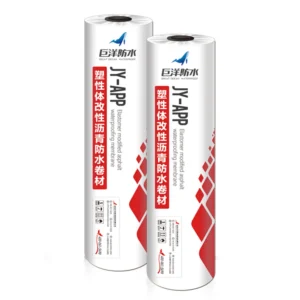
JY-APP Modifizierte Bitumen-Abdichtungsmembran Modifizierte Asphalt-Abdichtungsmembran
-
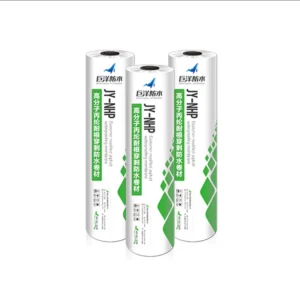
JY-NHP Wurzeldurchstoßfeste Polymer-Abdichtungsmembran
-
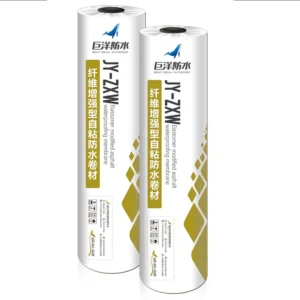
JY-ZXW Faserverstärkte Polymerfolie, selbstklebende Abdichtungsmembran
-

EPDM-Abdichtungsmembran