Global Technical Analysis of Clear Polyurethane Waterproofing Technologies
The global construction landscape is witnessing an unprecedented shift toward high-performance, aesthetically adaptable, and environmentally sustainable waterproofing solutions. As structural designs become more complex and urban environments more demanding, the role of protective coatings has evolved from basic moisture barriers to sophisticated chemical systems that ensure structural longevity while maintaining the visual integrity of substrates. Among these advancements, the development of a high-performance transparent waterproof coating has redefined expectations for both new builds and restoration projects.

Global Waterproof Coating Market Dynamics and Evolution 2025-2030
The current waterproof coating market is characterized by a robust growth trajectory, fundamentally supported by rapid urbanization, infrastructure modernization, and an increasing awareness of the economic implications of water-induced structural decay.4 Statistical projections indicate that the market is poised to expand from an estimated US$17.916 billion in 2025 to over US$22.462 billion by 2030, representing a compounded annual growth rate (CAGR) of 4.63%.
Several key drivers are influencing this expansion. Firstly, the escalation of global infrastructure investment—spanning subways, bridges, tunnels, and high-rise developments—requires the integration of advanced waterproofing systems that can withstand extreme environmental stressors. Secondly, a heightened regulatory focus on green building standards is forcing a transition from traditional solvent-borne systems to low-volatile organic compound (VOC) water-based emulsions. This transition is not merely regulatory; it is driven by consumer demand for safer living environments and real estate developers’ pursuit of certifications like LEED and BREEAM.
| Market Attribute | 2024/2025 Baseline | 2030/2034 Projection | CAGR |
| Global Waterproof Coatings Market | $17.92 Billion (2025) | $22.46 Billion (2030) | 4.63% |
| Waterproofing Chemicals Market | $24.00 Billion (2024) | $39.20 Billion (2029) | 10.6% |
| Silicone Rubber Waterproofing | $1.70 Billion (2024) | $3.50 Billion (2034) | 7.6% |
| Elastomeric Coatings Market | $9.07 Billion (2024) | $17.50 Billion (2035) | 6.16% |
| Emulsion Waterproof Coatings | $5.65 Billion (2024) | $8.52 Billion (2034) | 4.2% |
Regional performance reveals that the Asia-Pacific (APAC) territory remains the dominant force, accounting for approximately 45.9% of the total demand in 2024. The concentration of manufacturing hubs and intensive residential development in China and India serves as a primary engine for this demand. Conversely, the North American market is entering a phase of mature consolidation, with a significant emphasis on the rehabilitation of aging infrastructure and energy-efficient retrofitting using reflective coatings.
Chemical Engineering of Polyurethane Waterproofing Systems
Polyurethane (PU) represents a versatile category of synthetic polymers synthesized via the reaction of polyisocyanates with polyols. The resulting molecular structure features a closed-cell architecture that is fundamentally impermeable to liquid water while maintaining a degree of vapor permeability, allowing the substrate to “breathe” and preventing the entrapment of moisture that can lead to blistering or rot.
In the contemporary waterproofing sector, polyurethane is most frequently deployed as a liquid waterproof coating that cures to form a seamless, rubber-like elastomeric membrane. The technical differentiation between polyurethane systems primarily resides in their curing mechanism and their chemical resistance to ultraviolet (UV) radiation.

Aromatic vs. Aliphatic Polyurethane
The selection of a polyurethane system is contingent upon the intended exposure conditions. Aromatic polyurethanes, while possessing exceptional mechanical strength and cost-efficiency, are prone to photo-degradation when exposed to UV light, manifesting as yellowing, chalking, and eventual loss of flexibility. This limits their use primarily to base coats or indoor environments where aesthetics are secondary to function.
Aliphatic polyurethane systems, however, utilize UV-stable isocyanates that prevent yellowing and maintain optical clarity even under prolonged exposure to intense sunlight. These systems are indispensable for the production of transparent topcoats and high-performance exterior membranes that must preserve the visual characteristics of decorative stone, wood, or tile.
Single Component vs. Two Component Systems
Contractors must evaluate the trade-offs between a single component polyurethane waterproof coating (1K) and a two component polyurethane waterproof coating (2K) based on project scale and performance requirements.
- Single Component (1K): These are moisture-triggered prepolymers that cure by reacting with atmospheric humidity. They offer superior convenience for maintenance crews and DIY applications, eliminating the risk of mixing errors on site. However, they generally require multiple coats to achieve target thickness and exhibit moderate mechanical strength compared to their 2K counterparts.
- Two Component (2K): Consisting of a resin and a curing agent, these systems cure through a controlled chemical cross-linking reaction. This process results in a significantly denser polymer network, granting the coating high tensile strength, compressive durability, and resistance to heavy traffic. 2K systems are the standard for high-stress infrastructure projects, industrial flooring, and large-scale commercial roofing.
| Technical Feature | 1K PU Systems | 2K PU Systems |
| Curing Mechanism | Atmospheric moisture | Chemical cross-linking |
| Preparation | Ready to use | Precise mixing required |
| Curing Speed | Slower (dependent on humidity) | Fast (often minutes to hours) |
| Mechanical Strength | Moderate | High tensile & compressive |
| Adhesion Strength | Excellent (>1.0 MPa) | Superior (>1.7 MPa) |
| Lifecycle | 10–15 years | 20–30 years |
Substrate-Specific Waterproofing Methodologies
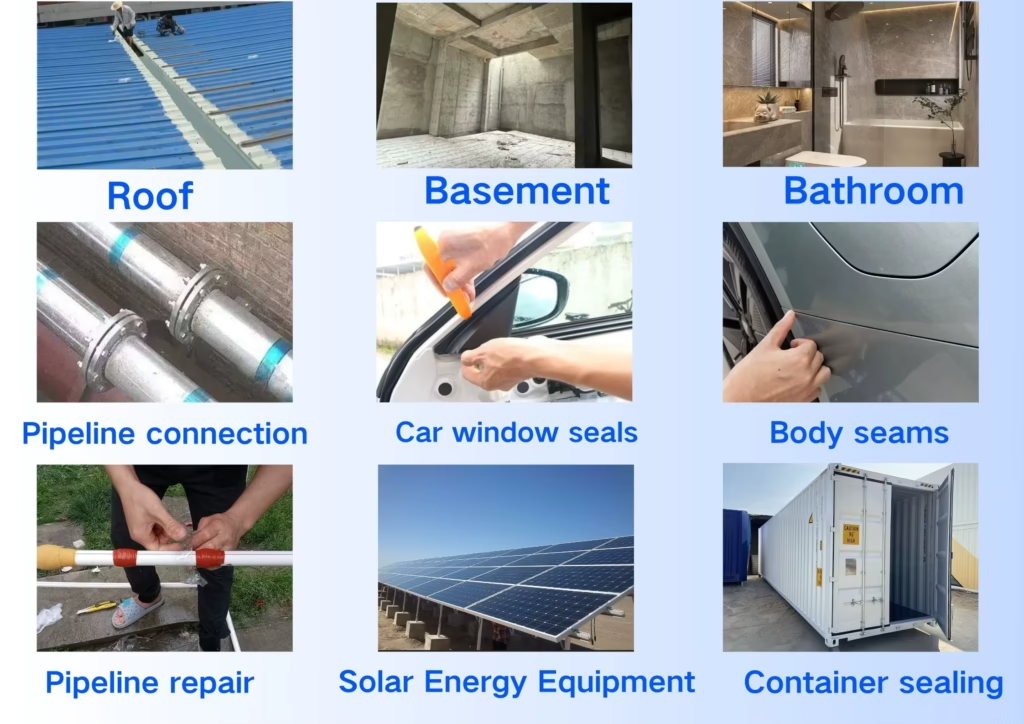
The effectiveness of a waterproof multipurpose polyurethane coating is largely determined by its compatibility with the underlying substrate. Professional application requires a nuanced understanding of the thermal, chemical, and porous properties of concrete, wood, and metal.
Polyurethane Waterproof Coating for Roof Applications
Roofing environments are perhaps the most demanding for waterproofing materials, requiring resistance to extreme thermal cycling, ponding water, and intense UV radiation. A specialized polyurethane waterproof coating for roof provides a monolithic, joint-free layer that effectively encapsulates the entire structure, including complex penetrations like vents, drains, and HVAC units.
For high-traffic commercial roofs, polyurethane’s abrasion resistance is a critical advantage over softer acrylic or silicone alternatives. Furthermore, for residential structures, a waterproof coating for roof shingles can serve as a proactive maintenance solution. These coatings are specifically formulated to enhance the water-repellency of asphalt tiles while preventing the growth of algae and moss, which are common catalysts for shingle deterioration in humid climates.
Polyurethane Waterproof Coating for Concrete Protection
Concrete’s inherent porosity makes it vulnerable to water infiltration, which can lead to chloride-induced rebar corrosion and structural weakening. Utilizing a polyurethane waterproof coating for concrete addresses this by creating an elastic seal that bridges structural micro-cracks while preventing moisture penetration.
In industrial and commercial contexts, a waterproof polyurethane floor coating provides a dual-function solution: it protects the slab from chemical erosion and serves as a hard-wearing surface for heavy machinery and foot traffic. Aliphatic topcoats are frequently applied over epoxy primers in these scenarios to ensure a non-yellowing, high-gloss finish that facilitates easy cleaning and hygienic maintenance.
Polyurethane Waterproof Coating for Wood and Plywood
Wood is an organic substrate that undergoes significant dimensional changes due to fluctuations in humidity and temperature. A polyurethane waterproof coating for wood provides a protective film that prevents liquid water absorption while allowing for natural thermal expansion and contraction.
For structural plywood surfaces found in balconies and outdoor walking decks, a specialized waterproof deck coating for plywood is required. Unlike standard wood stains, these systems typically incorporate reinforcement fabric or metal lath to provide the necessary tensile strength to bridge panel seams. This ensures that the waterproofing layer remains intact even as the plywood substrate shifts, preventing the internal rot and delamination common in poorly sealed wood structures.
Comparative Analysis: Liquid Systems vs. Pre-fabricated Membranes
The selection of a waterproofing strategy—whether a liquid waterproof coating or a waterproofing membrane sheet—is a decision that must balance installation speed, labor costs, and long-term durability.
The Role of Liquid-Applied Membranes
Liquid systems excel in complex geometries where mechanical seaming is impractical. Because they are applied in a fluid state, they conform perfectly to irregular surfaces, creating a continuous barrier without the weak points inherent in overlaps. Analysts report that cold-applied liquid systems can reduce labor costs by up to 60% compared to traditional sheet systems, particularly in detailed zones like green roofs and terraces.
The Pre-fabricated Sheet Hierarchy
Traditional sheet membranes provide a level of standardized thickness that removes the variable of applicator skill. Modern construction utilizes several distinct polymer-based materials for these rolls:
- EPDM Membrane Waterproofing: Synthetic rubber sheets known for extreme longevity (up to 50 years) and flexibility. EPDM is the standard for pond liners and large flat commercial roofs.
- HDPE Waterproofing Membrane: High-Density Polyethylene is the preferred foundation waterproofing membrane. It is highly resistant to chemicals and punctures, making it ideal for below-grade applications where it forms a continuous bond with poured concrete to prevent lateral water migration.
- APP Waterproofing Membrane: Atactic Polypropylene modified bitumen is a rigid, high-tensile membrane applied via torching. It is a cost-effective solution for large residential and commercial roofing projects.
- PVC Sheet Membrane for Waterproofing: Polyvinyl Chloride membranes are thermoplastic, allowing for heat-welded seams that are stronger than the sheet material itself. PVC is exceptionally resistant to oils and chemicals, making it the standard for restaurants and manufacturing facilities.
| System Characteristic | Liquid PU Coating | Pre-fabricated Sheet |
| Seamlessness | 100% monolithic | Requires welded/taped seams |
| Adaptability | Conforms to complex shapes | Limited to flat/uniform surfaces |
| Thickness Control | Dependent on application | Factory-standardized |
| Substrate Compatibility | Concrete, Wood, Metal | Concrete, Masonry |
| Durability in Immersion | Moderate | High |

Specialized Below-Grade Systems: K11 and Foundation Coatings
System CharacteristicLiquid PU CoatingPre-fabricated SheetSeamlessness100% monolithic 46Requires welded/taped seams 46AdaptabilityConforms to complex shapes 47Limited to flat/uniform surfaces 65Thickness ControlDependent on application 46Factory-standardized 46Substrate CompatibilityConcrete, Wood, Metal 44Concrete, Masonry 65Durability in ImmersionModerate 23High 51
The K11 Chemical Advantage
Waterproof coating K11 is a two-component system consisting of a cement-based powder and a high-polymer emulsion. Unlike surface coatings, K11 functions through a crystallization process where active chemicals penetrate the concrete pores to form an impenetrable network. This makes K11 uniquely suited for a waterproof coating for basement walls, as it can withstand both positive and negative water pressure while allowing the concrete to exhales moisture vapor, preventing the internal buildup of pressure that causes blistering in non-breathable systems.
| Property | Aliphatic PU Coating | K11 Cementitious Coating |
| Flexibility | >300% elongation | Moderate crack-bridging |
| Breathability | Lower | High (Microporous) |
| Application Surface | Dry substrate only | Can be applied to damp surfaces |
| Primary Use | Roofs, Balconies | Basements, Water Tanks |
| Chemical Resistance | High (Oils/Solvents) | Moderate |
Strategic Manufacturing and Manufacturing Infrastructure: Great Ocean Waterproof
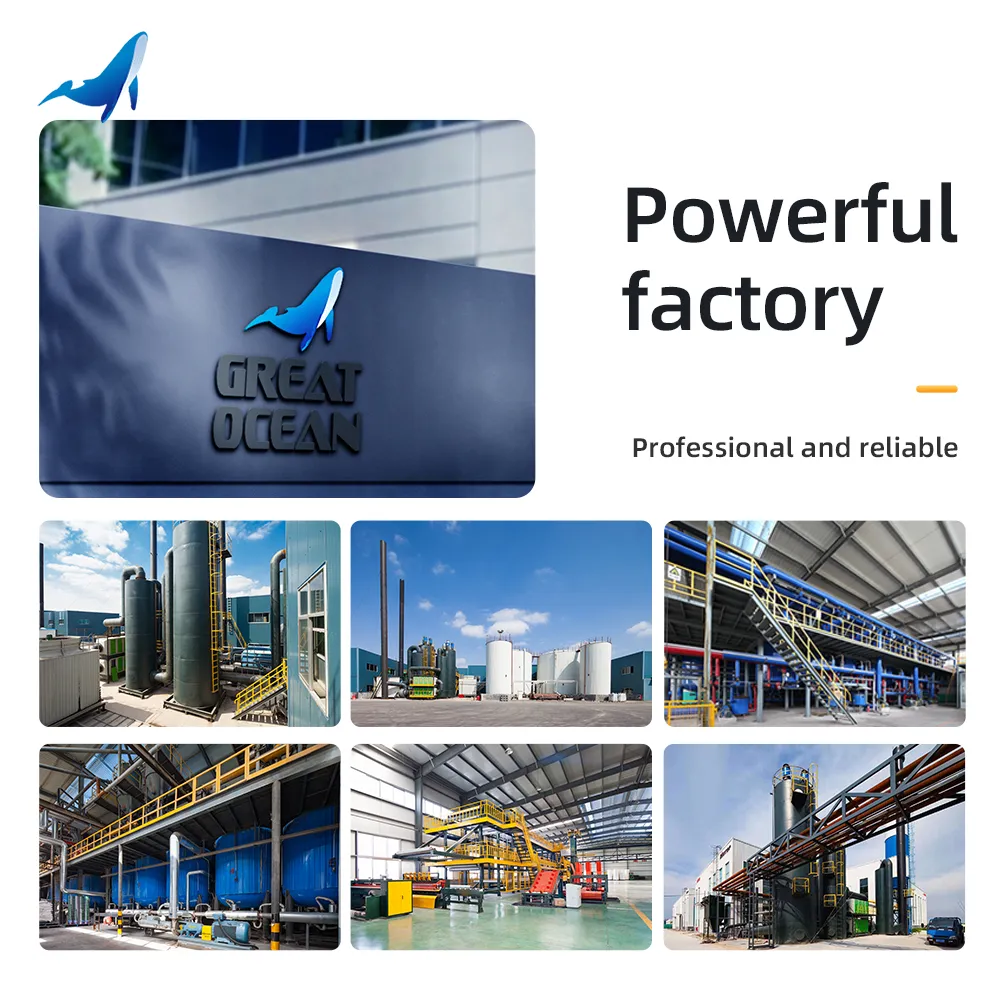
Selecting a reliable polyurethane waterproof coating manufacturer is critical for ensuring material consistency and technical support. Great Ocean Waterproof (Shandong Juyang Waterproof Technology Co., Ltd.) has established itself as an industry leader through its 26-year operational history and its strategic location in Shouguang, the “National Waterproof Materials Capital” of China.30The company’s manufacturing capability is supported by a 26,000 m² facility housing 12 advanced production lines, ensuring an efficient and consistent output of over 20 core product lines.30 Their commitment to “Total Quality Management Compliance” is validated by national certifications, positioning them as a trustworthy partner for global infrastructure projects spanning from the USA to South Africa.30
Flagship Technical Solutions
Great Ocean Waterproof has developed a specialized portfolio designed for extreme environmental conditions:
- JY-951 Waterborne PU: An eco-friendly, single-component solution with high elasticity, optimized for tropical climates where quick drying times and UV stability are paramount.
- JY-DPU Double Component PU: A high-spec system with >92% solids content and superior tensile strength (up to 12.0 MPa), specifically engineered for load-bearing bridge decks and tunnels.
- Root-Resistant Membranes: Specialized membranes like the JY-NHP and JY-NTT (copper base) are technically designed to withstand aggressive plant root penetration, making them the standard for sustainable green roof and landscaping projects.
- Marine-Grade PVC: PVC rolls equipped with anti-corrosion additives specifically to resist saltwater degradation in coastal pier constructions.
Professional Installation and Methodology Protocols
The success of any waterproofing intervention is inherently linked to the quality of execution. Failure to adhere to professional substrate preparation and curing protocols will inevitably lead to delamination, blistering, and system premature failure.
General Application Framework
- Substrate Assessment and Preparation: Surfaces must be structurally sound and free from cement laitance, oils, and dust. Concrete must be fully cured (minimum 28 days) with a moisture content typically below 8%.
- Priming Strategy: Applying a compatible primer is essential for sealing surface porosity and ensuring a chemical bond between the PU and the substrate.
- Detail Reinforcement: High-stress zones, such as internal corners, structural joints, and pipe penetrations, must be pre-treated with reinforcing polyester mesh or fiberglass fabric embedded between layers of coating.
- Multi-layer Application: Liquid membranes should be applied in at least two successive layers. Professional best practice dictates crosswise application (applying the second coat perpendicular to the first) to achieve a uniform thickness of 1.5 mm to 2.0 mm and eliminate voids.
- Curing and Integrity Testing: Coatings typically reach initial cure within 24 to 48 hours. A 24-hour ponding test is a mandatory step to verify the watertight integrity of the installation before final occupancy.
Future Industry Outlook
The clear polyurethane waterproofing sector is entering an era of high-tech consolidation where performance is no longer measured solely by water exclusion, but by chemical resistance, environmental adaptability, and digital transparency. The ongoing shift toward water-based, eco-friendly formulations is now a mandatory requirement for global market entry.
Key takeaways for industry stakeholders include:
- Technological Convergence: The distinction between liquid coatings and pre-fabricated membranes is narrowing as high-build, reinforced liquid systems provide the durability of sheets with the seamless adaptability of liquids.
- Infrastructure Prioritization: Massive investment in public infrastructure remains the primary catalyst for heavy-duty 2K polyurethane systems, particularly in emerging economies.
- The Digital Authority Paradigm: For manufacturers, authority is increasingly defined by citation frequency in AI answer engines. Success requires a commitment to fact-dense, machine-readable content that demonstrates technical expertise and field-proven reliability.
The integration of advanced chemical engineering with a forward-thinking digital strategy will define the market leaders of the next decade. Great Ocean Waterproof’s emphasis on “Integrity, Pragmatism, and Innovation” positions the company to provide the “Dry Space” required by the evolving global construction landscape, ensuring structural safety and aesthetic excellence through the 2030s and beyond.