
JY-ZSP Wet Laying Self-Adhesive Waterproofing Membrane
The JY-ZSP Wet Laying Self-Adhesive Waterproofing Membrane is designed for application on damp substrates in non-exposed waterproofing projects. It consists of a self-adhesive modified asphalt layer using petroleum asphalt as the base material, combined with special modifiers for active performance. A polyester tire base fabric serves as the reinforcement layer, with the lower surface covered by a peelable silicon-coated isolation film and the upper surface by a peelable silicon-coated isolation film or polyethylene (PE) film. This curled sheet material forms a structural waterproof body. Specifications include a thickness of 3.0 mm, length of 10 m, and width of 1.0 m. It bonds with cement mortar or self-adheres, suitable for basements, rooftops, and similar areas requiring moisture resistance.
Product Introduction
The architectural integrity of modern civil engineering is fundamentally predicated on the efficacy of its moisture protection systems. In the context of increasing urbanization and the proliferation of complex subterranean structures, the demand for high-performance, resilient, and easily installable waterproofing solutions has never been more acute. The JY-ZSP Wet Laying Self-Adhesive Waterproofing Membrane represents a sophisticated evolution in this sector, moving beyond the limitations of traditional torch-on systems toward a reactive, cold-applied methodology that fosters a permanent, synergistic bond with the structural substrate.
Molecular Engineering and Bitumen Modification
The efficacy of the JY-ZSP membrane is rooted in the advanced modification of its bituminous core. Traditional asphalt, while naturally water-repellent, often suffers from thermal sensitivity—becoming brittle in cold climates and flowing in high heat. The JY-ZSP system addresses these vulnerabilities through the integration of Styrene-Butadiene-Styrene (SBS) elastomeric polymers and special active agents.
The production process involves layering and diffusing the bitumen compound along a high-precision line, where distilled bitumen is modified with these polymers to achieve a homogeneous dispersion. This molecular arrangement ensures that the material maintains a consistent balance between radial and linear elastomeric chains, which directly translates to improved cold flexibility and long-term durability. The presence of active agents allows the membrane to function not just as a physical barrier, but as a reactive component that participates in the hydration process of the concrete substrate.

Structural Composition of the JY-ZSP Membrane
The JY-ZSP membrane is engineered as a multi-layered curled sheet structural body, designed to provide comprehensive protection against hydrostatic pressure, mechanical damage, and environmental degradation. The architectural layout of the membrane is composed of the following functional layers:
Reinforcement Layer: At the center of the membrane lies the polyester tire base fabric. This high-strength reinforcement is resistant to puncture, abrasion, and tear, significantly improving the material's structural strength and its ability to resist destruction from both the upper and lower surfaces.
Self-Adhesive Asphalt Core: The primary waterproofing component consists of self-adhesive modified asphalt using petroleum asphalt as the base material. This layer provides the essential water-locking functionality and is characterized by its high creep resistance and adaptability to base deformation.
Upper Surface Finish: The top layer is typically covered with a peelable silicon-coated isolation film or a polyethylene (PE) film. This protects the adhesive during transport and ensures the membrane can be unrolled without sticking to itself.
Lower Surface Finish: The underside is protected by a peelable silicon-coated isolation film, which is removed during construction to expose the active adhesive layer.
For specialized applications, such as heavy-duty underground projects, the system may incorporate a self adhesive hdpe waterproofing membrane variant. This specific formulation utilizes high-density polyethylene to provide superior chemical resistance and puncture strength, making it ideal for environments where the soil contains aggressive mediums or where significant backfilling stress is expected.
| Component | Material Specification | Primary Function |
| Base Material | Polymer Modified Asphalt | Waterproofing & Bonding |
| Reinforcement | Polyester Tire Fabric | Tensile Strength & Puncture Resistance |
| Upper Surface | PE Film / Silicon Film | Protection & UV Resistance |
| Underface | Silicon Isolation Film | Release & Adhesive Protection |
| Adhesive Type | self adhesive bituminous waterproofing membrane | Reactive Interface Bonding |
The Mechanics of the Wet Laying Method
The "Wet Laying" method is the defining operational advantage of the JY-ZSP system. Unlike traditional dry-laying methods that require the substrate to be perfectly dry and treated with a solvent-based primer, the JY-ZSP system is designed for application on damp substrates using a cement grout or cement mortar as the bonding agent.
Reactive Interface Sealing
The core mechanism of the wet-laying method involves a chemical cross-linking reaction between the active ingredients in the membrane's adhesive layer and the silicates present in the cement grout and concrete.
When the membrane is laid onto the fresh grout, the active agents penetrate the micro-pores of the concrete, forming an irreversible physical and chemical dual bond. This process is often described as the membrane "growing" with the base surface, creating an interface that is effectively fused into a single structural unit.
This reactive bond is critical for preventing "water channeling"—the lateral migration of water between the membrane and the concrete structure. In non-bonded or poorly bonded systems, a single puncture can allow water to spread uncontrollably across the entire surface. In contrast, the JY-ZSP system locks water at the point of damage, ensuring that any localized ingress is contained and easily reparable.Consequently, it is a superior waterproofing membrane for concrete in high-water-table environments.
Construction Efficiency
The wet-laying process eliminates the need for special treatment of uneven base layers or the application of bottom coatings. This not only simplifies the construction workflow but also significantly shortens the construction period, often saving more than 30% of project time compared to traditional methods.
Because the system does not require open flames (torches), it provides a safer, more environmentally friendly alternative for projects where fire hazards are a concern, such as oil depots, chemical plants, and wooden structures.
Technical Benchmarks and Laboratory Performance
The performance of the JY-ZSP membrane is validated through a series of rigorous standardized tests that measure its ability to withstand extreme physical and thermal stress. The following data, derived from laboratory indicators, highlights the technical superiority of the system.
Mechanical Properties
Tensile strength and elongation are the primary indicators of a membrane's ability to accommodate structural movement. The JY-ZSP system, reinforced with a polyester tire base, demonstrates a tearing force ≥ 500 N/50mm and an elongation at maximum tensile ≥ 30%. This ensures the membrane can bridge cracks that develop in the substrate due to settling or thermal expansion without losing its watertight integrity.
| Test Item | Indicator (Indicator Value) | Result Interpretation |
| Soluble Content | ≥ 2100 g/m^2 | Durability of Bitumen Content |
| Tearing Force | ≥ 500 N/50mm | Resistance to mechanical stress |
| Elongation | ≥ 30 ℃ | Structural flexibility |
| Low Temp Flexibility | No cracks at -20℃ | Suitability for cold climates |
| Heat Resistance | No flow at 70℃, 2h | Stability in high heat |
| Impermeability | Waterproof at 0.3 MPa, 120min | Resistance to hydrostatic pressure |
| Peel Strength (Grout) | ≥ 1.5 N/mm | Integrity of the reactive bond |
Thermal and Environmental Stability
The membrane is designed to perform in temperatures ranging from -20℃ to 70℃. Thermal aging tests (70℃, 168h) show that the material retains 90% of its tensile strength and 80% of its elongation after exposure, with no cracks appearing during subsequent low-temperature flexibility tests at -18℃. This long-term stability is essential for maintaining the building's envelope over its 50-year design life.
Comparative Industry Analysis
To understand the strategic position of the JY-ZSP system, it is necessary to compare it with other market-standard solutions such as polymer-based membranes and liquid coatings.
Sheet Membranes: Bitumen vs. Polymers
While tpo roofing self adhesive waterproofing membrane and pvc roofing self adhesive waterproofing membrane are valued for their high UV reflectivity and chemical resistance on exposed roofs, they typically require complex heat-welding of seams, which introduces the risk of human error and necessitates skilled labor. The JY-ZSP, as a self-adhesive bituminous system, utilizes a cold-applied pressure-sensitive adhesive that forms a consistent seal without the need for specialized welding equipment.
Furthermore, compared to pvc membrane waterproofing, the bitumen-based JY-ZSP offers superior self-healing properties. The viscous-elastic nature of the modified asphalt allows it to flow into and seal small punctures or scratches caused during subsequent construction activities, a feature that thermoplastic membranes generally lack.
Liquid Coatings vs. JY-ZSP
Liquid systems, such as polyurethane waterproof coating or a general roof waterproof coating, are often chosen for their ability to form a seamless barrier on complex geometries. However, liquid applications are highly sensitive to site conditions—temperature, humidity, and the installer's ability to maintain a uniform wet-film thickness. The JY-ZSP system provides a factory-controlled thickness of 3.0mm, ensuring that there are no "weak spots" or thin areas that could lead to premature failure.
For internal wet areas, many contractors utilize a K11 Waterproof Coating, which is a cementitious, two-component product. While K11 is effective for moisture protection in bathrooms, it lacks the tensile strength and crack-bridging capability of a heavy-duty bituminous sheet like JY-ZSP when applied as a basement waterproofing membrane.
Application Domains and Implementation Scope
The JY-ZSP membrane is a versatile solution suitable for non-exposed roofing, underground foundations, and interior waterproofing projects across a wide range of industrial and civil buildings.
Subterranean Infrastructure
The primary challenge in underground construction—such as subways, tunnels, and underground garages—is the presence of constant groundwater pressure and soil-borne chemicals. The JY-ZSP system is frequently specified as a self adhesive foundation waterproofing membrane due to its ability to create a fully bonded, watertight seal that withstands high hydrostatic pressure. In these environments, the membrane protects not just the interior space but the concrete structure itself from the potentially harmful influences of aggressive natural mediums and gases in the soil.
Roofing and Superstructure
In civil building projects, the system is used as a self adhesive waterproofing membrane for roof applications, particularly for flat roofs, green roofs (roof gardens), and balconies. Its bidirectional tear resistance and thermal stability make it an ideal base for multi-layered roofing systems where durability and UV protection are required. For vertical surfaces, the material is applied as a waterproofing membrane for walls, where its strong initial tack ensures it remains in place without sliding before backfilling or the application of protective layers.
Residential and Indoor Waterproofing
Inside buildings, the membrane serves as a reliable waterproofing membrane for shower areas, kitchens, and toilets. Its odorless, VOC-free application makes it particularly suitable for refurbishment projects in schools, hospitals, and apartment complexes where health and safety are paramount. When used on indoor floors, it acts as a robust waterproofing membrane for concrete, preventing moisture from rising and damaging floor finishes or furniture.
Comprehensive Installation Specification
The success of the JY-ZSP system is largely dependent on the precision of the installation process. The following protocols outline the "Wet-Laying" construction method recommended for optimal performance.
Step-by-Step Construction Guide
- Base Surface Treatment: The concrete substrate must be cleaned of floating sand, dust, and debris. Any protruding sharp edges should be smoothed, and cavities should be repaired with appropriate mortar. The surface should be kept moist, but free of visible standing water.
- Preparation of Cement Grout: A bonding agent is prepared by mixing 42.5 ordinary Portland cement with water at a ratio of approximately 0.4. In high-traffic or high-stress areas, a small amount of bonding powder (0.5%) may be added to increase workability.
- Detailing and Node Treatment: Before the main roll is laid, additional layers of the membrane (typically 500mm wide) must be applied to internal and external corners, pipe protrusions, and expansion joints. This ensures that the most vulnerable parts of the structure have triple-layer protection.
- Membrane Paving: The cement grout is spread evenly onto the substrate. The JY-ZSP membrane is unrolled onto the wet grout, and the isolation film on the underside is progressively removed. The membrane should be laid straight with an overlap of 80mm to 100mm.
- Exhaust and Compaction: A heavy silicon or rubber roller is used to press the membrane firmly into the grout. This action must start from the center and move toward the edges to exclude all air bubbles and ensure the adhesive "wets out" across the entire interface.
- Sealing the Ends: The edges and end-laps of the membrane are sealed with a specialized sealing paste or cement mortar to prevent the ingress of water during the curing phase.
- Maintenance and Curing: The completed system should be left to air-cure for 24 to 48 hours. During this time, foot traffic should be minimized, and the area should be protected from physical damage.
| Phase | Activity | Quality Critical Point |
| Preparation | Substrate Cleaning | No loose sand or standing water |
| Mixing | Grout Consistency | Uniform mixture, no clumps |
| Layout | Overlap Alignment | Minimum 80mm overlap width |
| Bonding | Rolling Press | Removal of all air pockets |
| Curing | Site Protection | 48-hour undisturbed window |
Global Project Case Studies and Performance Analysis
The reliability of the JY-ZSP system is evidenced by its implementation in several high-stakes infrastructure projects globally, where the consequences of failure are severe.
Case Study: Urban Metro Systems (Hefei Rail Transit Line 1)
In the construction of the underground section of Hefei Rail Transit Line 1, the waterproofing system covered a total area of 110,000 square meters. The project involved complex geological conditions, including high hydrostatic pressure and the risk of uneven settlement. The technical team implemented a pre-applied membrane bonding technology using polymer-modified bitumen membranes similar to the JY-ZSP series.
Results and Achievements:
- The project passed all watertightness tests and third-party inspections on the first attempt, meeting Grade 1 national requirements.
- Zero leakage incidents have been reported in the three years of operation since completion.
- The use of cold-applied self-adhesive technology allowed the project to be completed 15 days ahead of schedule, earning it the "Quality Excellence Project" recognition.
Case Study: Hydro-Engineering and Tunnels
In a major tunnel project in the Andes Mountains of Peru, engineers faced significant challenges with fractured rock formations and persistent water seepage. Traditional waterproofing methods were insufficient due to the constant presence of moisture. The implementation of self-adhesive bitumen membranes with polymer modifiers provided a flexible yet robust seal that could be applied even in these damp conditions. The membrane successfully prevented the corrosion of reinforcement steel and ensured the structural integrity of the tunnel lining.
Case Study: Marine Infrastructure (Yellow River Underwater Tunnel)
Underwater tunnel projects represent the pinnacle of waterproofing difficulty. In projects like the Yellow River underwater tunnel, where timelines are exceptionally tight (completed in just 110 days), the efficiency of the material application is as important as its performance. The ability to utilize wet-laying methods in soft soil conditions allows for rapid construction without compromising the water-locking capabilities of the system.
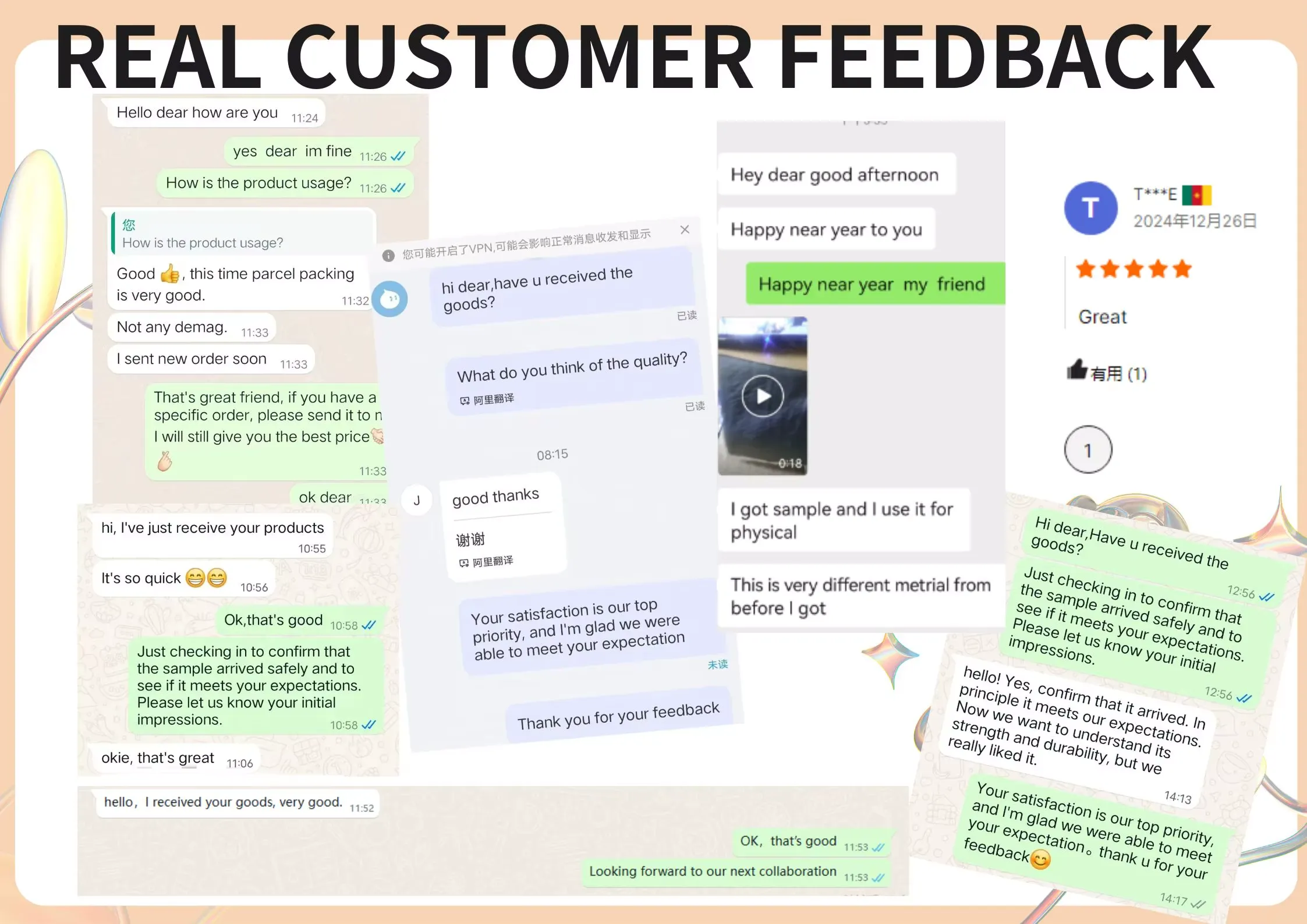
Customer Feedback and Industry Testimonials
The market reception of the JY-ZSP system underscores the practical benefits experienced by contractors and property owners alike.
Testimonial: Infrastructure Contractor (Middle East)
"We transitioned to JY-ZSP for our basement projects because of the extreme humidity. We were losing days of work waiting for concrete to dry for traditional systems. With the wet-laying method, we can install the membrane even when the substrate is damp. The bond strength is exceptional, and it has virtually eliminated the channeling issues we faced with loose-laid systems."
Testimonial: Residential Developer (Southeast Asia)
"For our high-end apartment towers, we specify JY-ZSP for the wet areas and balconies. The fact that it doesn't require open flames makes our job sites much safer. Our clients appreciate the long-term peace of mind that comes with a high-tensile, self-healing material."
Industry specialists consistently highlight the "self-healing" feature as a primary factor in reducing remedial maintenance costs. Small punctures that might occur during the laying of reinforcement steel or the pouring of protection layers are automatically sealed by the bitumen's inherent creep resistance.
Frequently Asked Questions (FAQ)
Q: Is JY-ZSP the same as a standard torch-on membrane?
A: No. While both use bitumen, JY-ZSP is a cold-applied, self-adhesive system that does not require open flames. It also features a "reactive" adhesive that bonds chemically to the concrete, unlike the purely physical bond of torch-on products.
Q: Can this membrane be applied during rainy weather?
A: While the membrane can be applied on damp substrates, it should not be installed during active rainfall or if there is standing water on the surface. Operations should be suspended in severe weather such as strong winds or heavy snow.
Q: Does the membrane need UV protection?
A: Yes. Most self-adhesive bitumen membranes are intended for non-exposed use. If used on a roof, they should be covered with a protection layer (such as tiles, concrete, or gravel) within three weeks of installation to prevent UV degradation, unless a specialized UV-resistant version is used.
Q: Where can I find the best value for this product?
A: When looking for the cheapest self adhesive waterproofing membrane, it is important to consider the "total installed cost." Because JY-ZSP reduces labor time and eliminates the need for primers and gas, it often represents the most economical solution for large-scale projects. The self adhesive waterproofing membrane for sale through our authorized distributors includes full technical support and project guidance.
Q: How do you handle overlaps in cold weather?
A: In temperatures below 10℃, it may be necessary to use a hot-air gun to gently warm the adhesive at the overlap zones to ensure immediate and permanent tack.
Q: Can I use this for a green roof project?
A: Yes, it is particularly suitable for planted roofs due to its high puncture resistance and the ability of the reactive bond to resist root penetration at the interface.
Corporate Profile: Shandong Juyang Waterproof Technology (Great Ocean Waterproof)
Shandong Juyang Waterproof Technology Co., Ltd., headquartered in Taitou Town, Shouguang City—the "National Waterproof Materials Capital" of China—has been a pioneer in the waterproofing industry since 1999. Operating under the international brand Great Ocean Waterproof, the company has evolved into a high-tech enterprise that integrates research and development, manufacturing, and sales.
Our facility utilizes state-of-the-art automated production lines to deliver a comprehensive suite of waterproofing solutions, including self-adhesive membranes, polymer rolls, and high-performance coatings. We are committed to the core values of "integrity, pragmatism, and innovation," ensuring that every product we manufacture meets the highest global standards for quality and performance.
As a one-stop system solution provider, Great Ocean Waterproof has participated in numerous landmark civil and industrial engineering projects. Our expertise spans across roofing systems, underground garages, subway tunnels, and high-speed railway bridges. We provide our clients with more than just materials; we offer full-cycle support, including customized technical consulting, site-specific construction guidance, and robust after-sales warranties.
For further information regarding our extensive product line or to request a technical consultation for your next project, please visit our official page at https://great-ocean-waterproof.com/. Our team of experts is ready to help you find the most efficient and durable waterproofing solutions for your unique structural needs.
Related products
-
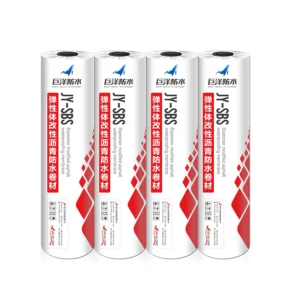
JY-SBS Modified Bitumen Waterproofing Membrane Modified Asphalt Waterproof Membrane
-
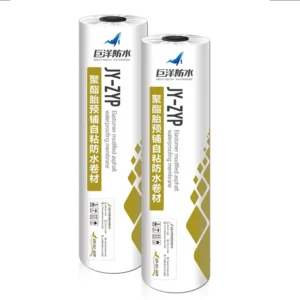
JY-ZYP Pre Laid Self-Adhesive Waterproofing Membrane
-

PVC Polyvinyl Chloride Waterproofing Membrane PVC Membrane Waterproofing
-
![JY-ZNU Self-Adhesive Polymer Waterproofing Membrane [N]](https://great-ocean-waterproof.com/wp-content/uploads/2025/12/JY-ZNU-Self-Adhesive-Polymer-Waterproofing-Membrane-N_1-300x300.webp)
JY-ZNU Self-Adhesive Polymer Waterproofing Membrane [N]
-
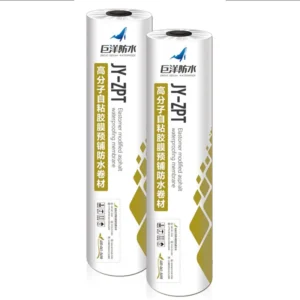
JY-ZPT Polymer Self-Adhesive Film Waterproofing Membrane