
Membrana impermeabilizante autoadhesiva de colocación húmeda JY-ZSP
The JY-ZSP Wet Laying Self-Adhesive Waterproofing Membrane is designed for application on damp substrates in non-exposed waterproofing projects. It consists of a self-adhesive modified asphalt layer using petroleum asphalt as the base material, combined with special modifiers for active performance. A polyester tire base fabric serves as the reinforcement layer, with the lower surface covered by a peelable silicon-coated isolation film and the upper surface by a peelable silicon-coated isolation film or polyethylene (PE) film. This curled sheet material forms a structural waterproof body. Specifications include a thickness of 3.0 mm, length of 10 m, and width of 1.0 m. It bonds with cement mortar or self-adheres, suitable for basements, rooftops, and similar areas requiring moisture resistance.
Introducción del producto
The architectural integrity of modern civil engineering is fundamentally predicated on the efficacy of its moisture protection systems. In the context of increasing urbanization and the proliferation of complex subterranean structures, the demand for high-performance, resilient, and easily installable waterproofing solutions has never been more acute. The JY-ZSP Wet Laying Self-Adhesive Waterproofing Membrane represents a sophisticated evolution in this sector, moving beyond the limitations of traditional torch-on systems toward a reactive, cold-applied methodology that fosters a permanent, synergistic bond with the structural substrate.
Molecular Engineering and Bitumen Modification
The efficacy of the JY-ZSP membrane is rooted in the advanced modification of its bituminous core. Traditional asphalt, while naturally water-repellent, often suffers from thermal sensitivity—becoming brittle in cold climates and flowing in high heat. The JY-ZSP system addresses these vulnerabilities through the integration of Styrene-Butadiene-Styrene (SBS) elastomeric polymers and special active agents.
The production process involves layering and diffusing the bitumen compound along a high-precision line, where distilled bitumen is modified with these polymers to achieve a homogeneous dispersion. This molecular arrangement ensures that the material maintains a consistent balance between radial and linear elastomeric chains, which directly translates to improved cold flexibility and long-term durability. The presence of active agents allows the membrane to function not just as a physical barrier, but as a reactive component that participates in the hydration process of the concrete substrate.

Structural Composition of the JY-ZSP Membrane
The JY-ZSP membrane is engineered as a multi-layered curled sheet structural body, designed to provide comprehensive protection against hydrostatic pressure, mechanical damage, and environmental degradation. The architectural layout of the membrane is composed of the following functional layers:
Reinforcement Layer: At the center of the membrane lies the polyester tire base fabric. This high-strength reinforcement is resistant to puncture, abrasion, and tear, significantly improving the material's structural strength and its ability to resist destruction from both the upper and lower surfaces.
Self-Adhesive Asphalt Core: The primary waterproofing component consists of self-adhesive modified asphalt using petroleum asphalt as the base material. This layer provides the essential water-locking functionality and is characterized by its high creep resistance and adaptability to base deformation.
Upper Surface Finish: The top layer is typically covered with a peelable silicon-coated isolation film or a polyethylene (PE) film. This protects the adhesive during transport and ensures the membrane can be unrolled without sticking to itself.
Lower Surface Finish: The underside is protected by a peelable silicon-coated isolation film, which is removed during construction to expose the active adhesive layer.
For specialized applications, such as heavy-duty underground projects, the system may incorporate a self adhesive hdpe waterproofing membrane variant. This specific formulation utilizes high-density polyethylene to provide superior chemical resistance and puncture strength, making it ideal for environments where the soil contains aggressive mediums or where significant backfilling stress is expected.
| Componente | Material Specification | Primary Function |
| Base Material | Polymer Modified Asphalt | Waterproofing & Bonding |
| Reforzamiento | Polyester Tire Fabric | Tensile Strength & Puncture Resistance |
| Upper Surface | PE Film / Silicon Film | Protection & UV Resistance |
| Cara inferior | Silicon Isolation Film | Release & Adhesive Protection |
| Adhesive Type | self adhesive bituminous waterproofing membrane | Reactive Interface Bonding |
The Mechanics of the Wet Laying Method
The "Wet Laying" method is the defining operational advantage of the JY-ZSP system. Unlike traditional dry-laying methods that require the substrate to be perfectly dry and treated with a solvent-based primer, the JY-ZSP system is designed for application on damp substrates using a cement grout or cement mortar as the bonding agent.
Reactive Interface Sealing
The core mechanism of the wet-laying method involves a chemical cross-linking reaction between the active ingredients in the membrane's adhesive layer and the silicates present in the cement grout and concrete.
When the membrane is laid onto the fresh grout, the active agents penetrate the micro-pores of the concrete, forming an irreversible physical and chemical dual bond. This process is often described as the membrane "growing" with the base surface, creating an interface that is effectively fused into a single structural unit.
This reactive bond is critical for preventing "water channeling"—the lateral migration of water between the membrane and the concrete structure. In non-bonded or poorly bonded systems, a single puncture can allow water to spread uncontrollably across the entire surface. In contrast, the JY-ZSP system locks water at the point of damage, ensuring that any localized ingress is contained and easily reparable.Consequently, it is a superior waterproofing membrane for concrete in high-water-table environments.
Construction Efficiency
The wet-laying process eliminates the need for special treatment of uneven base layers or the application of bottom coatings. This not only simplifies the construction workflow but also significantly shortens the construction period, often saving more than 30% of project time compared to traditional methods.
Because the system does not require open flames (torches), it provides a safer, more environmentally friendly alternative for projects where fire hazards are a concern, such as oil depots, chemical plants, and wooden structures.
Technical Benchmarks and Laboratory Performance
The performance of the JY-ZSP membrane is validated through a series of rigorous standardized tests that measure its ability to withstand extreme physical and thermal stress. The following data, derived from laboratory indicators, highlights the technical superiority of the system.
Mechanical Properties
Tensile strength and elongation are the primary indicators of a membrane's ability to accommodate structural movement. The JY-ZSP system, reinforced with a polyester tire base, demonstrates a tearing force ≥ 500 N/50mm and an elongation at maximum tensile ≥ 30%. This ensures the membrane can bridge cracks that develop in the substrate due to settling or thermal expansion without losing its watertight integrity.
| Elemento de prueba | Indicator (Indicator Value) | Result Interpretation |
| Soluble Content | ≥ 2100 g/m^2 | Durability of Bitumen Content |
| Tearing Force | ≥ 500 N/50mm | Resistance to mechanical stress |
| Elongation | ≥ 30 ℃ | Structural flexibility |
| Low Temp Flexibility | No cracks at -20℃ | Suitability for cold climates |
| Resistencia al calor | No flow at 70℃, 2h | Stability in high heat |
| Impermeabilidad | Waterproof at 0.3 MPa, 120min | Resistance to hydrostatic pressure |
| Peel Strength (Grout) | ≥ 1.5 N/mm | Integrity of the reactive bond |
Thermal and Environmental Stability
The membrane is designed to perform in temperatures ranging from -20℃ to 70℃. Thermal aging tests (70℃, 168h) show that the material retains 90% of its tensile strength and 80% of its elongation after exposure, with no cracks appearing during subsequent low-temperature flexibility tests at -18℃. This long-term stability is essential for maintaining the building's envelope over its 50-year design life.
Comparative Industry Analysis
To understand the strategic position of the JY-ZSP system, it is necessary to compare it with other market-standard solutions such as polymer-based membranes and liquid coatings.
Sheet Membranes: Bitumen vs. Polymers
While Membrana impermeabilizante autoadhesiva para techos TPO y Membrana impermeabilizante autoadhesiva para techos de PVC are valued for their high UV reflectivity and chemical resistance on exposed roofs, they typically require complex heat-welding of seams, which introduces the risk of human error and necessitates skilled labor. The JY-ZSP, as a self-adhesive bituminous system, utilizes a cold-applied pressure-sensitive adhesive that forms a consistent seal without the need for specialized welding equipment.
Furthermore, compared to pvc membrane waterproofing, the bitumen-based JY-ZSP offers superior self-healing properties. The viscous-elastic nature of the modified asphalt allows it to flow into and seal small punctures or scratches caused during subsequent construction activities, a feature that thermoplastic membranes generally lack.
Liquid Coatings vs. JY-ZSP
Liquid systems, such as revestimiento impermeable de poliuretano or a general roof waterproof coating, are often chosen for their ability to form a seamless barrier on complex geometries. However, liquid applications are highly sensitive to site conditions—temperature, humidity, and the installer's ability to maintain a uniform wet-film thickness. The JY-ZSP system provides a factory-controlled thickness of 3.0mm, ensuring that there are no "weak spots" or thin areas that could lead to premature failure.
For internal wet areas, many contractors utilize a Recubrimiento impermeable K11, which is a cementitious, two-component product. While K11 is effective for moisture protection in bathrooms, it lacks the tensile strength and crack-bridging capability of a heavy-duty bituminous sheet like JY-ZSP when applied as a basement waterproofing membrane.
Application Domains and Implementation Scope
The JY-ZSP membrane is a versatile solution suitable for non-exposed roofing, underground foundations, and interior waterproofing projects across a wide range of industrial and civil buildings.
Subterranean Infrastructure
The primary challenge in underground construction—such as subways, tunnels, and underground garages—is the presence of constant groundwater pressure and soil-borne chemicals. The JY-ZSP system is frequently specified as a self adhesive foundation waterproofing membrane due to its ability to create a fully bonded, watertight seal that withstands high hydrostatic pressure. In these environments, the membrane protects not just the interior space but the concrete structure itself from the potentially harmful influences of aggressive natural mediums and gases in the soil.
Roofing and Superstructure
In civil building projects, the system is used as a self adhesive waterproofing membrane for roof applications, particularly for flat roofs, green roofs (roof gardens), and balconies. Its bidirectional tear resistance and thermal stability make it an ideal base for multi-layered roofing systems where durability and UV protection are required. For vertical surfaces, the material is applied as a waterproofing membrane for walls, where its strong initial tack ensures it remains in place without sliding before backfilling or the application of protective layers.
Residential and Indoor Waterproofing
Inside buildings, the membrane serves as a reliable waterproofing membrane for shower areas, kitchens, and toilets. Its odorless, VOC-free application makes it particularly suitable for refurbishment projects in schools, hospitals, and apartment complexes where health and safety are paramount. When used on indoor floors, it acts as a robust waterproofing membrane for concrete, preventing moisture from rising and damaging floor finishes or furniture.
Comprehensive Installation Specification
The success of the JY-ZSP system is largely dependent on the precision of the installation process. The following protocols outline the "Wet-Laying" construction method recommended for optimal performance.
Step-by-Step Construction Guide
- Base Surface Treatment: The concrete substrate must be cleaned of floating sand, dust, and debris. Any protruding sharp edges should be smoothed, and cavities should be repaired with appropriate mortar. The surface should be kept moist, but free of visible standing water.
- Preparation of Cement Grout: A bonding agent is prepared by mixing 42.5 ordinary Portland cement with water at a ratio of approximately 0.4. In high-traffic or high-stress areas, a small amount of bonding powder (0.5%) may be added to increase workability.
- Detailing and Node Treatment: Before the main roll is laid, additional layers of the membrane (typically 500mm wide) must be applied to internal and external corners, pipe protrusions, and expansion joints. This ensures that the most vulnerable parts of the structure have triple-layer protection.
- Membrane Paving: The cement grout is spread evenly onto the substrate. The JY-ZSP membrane is unrolled onto the wet grout, and the isolation film on the underside is progressively removed. The membrane should be laid straight with an overlap of 80mm to 100mm.
- Exhaust and Compaction: A heavy silicon or rubber roller is used to press the membrane firmly into the grout. This action must start from the center and move toward the edges to exclude all air bubbles and ensure the adhesive "wets out" across the entire interface.
- Sealing the Ends: The edges and end-laps of the membrane are sealed with a specialized sealing paste or cement mortar to prevent the ingress of water during the curing phase.
- Maintenance and Curing: The completed system should be left to air-cure for 24 to 48 hours. During this time, foot traffic should be minimized, and the area should be protected from physical damage.
| Fase | Actividad | Punto crítico de calidad |
| Preparación | Limpieza del sustrato | Sin arena suelta ni agua estancada |
| Mezclando | Consistencia de la lechada | Mezcla uniforme, sin grumos. |
| Disposición | Alineación de superposición | Ancho de superposición mínimo de 80 mm |
| Vinculación | Prensa de laminación | Eliminación de todas las bolsas de aire |
| Curación | Protección del sitio | Ventana sin perturbaciones de 48 horas |
Estudios de caso de proyectos globales y análisis de desempeño
La confiabilidad del sistema JY-ZSP queda evidenciada por su implementación en varios proyectos de infraestructura de alto riesgo a nivel mundial, donde las consecuencias de falla son graves.
Estudio de caso: Sistemas de metro urbano (Línea 1 de Hefei Rail Transit)
In the construction of the underground section of Hefei Rail Transit Line 1, the waterproofing system covered a total area of 110,000 square meters. The project involved complex geological conditions, including high hydrostatic pressure and the risk of uneven settlement. The technical team implemented a pre-applied membrane bonding technology using polymer-modified bitumen membranes similar to the JY-ZSP series.
Results and Achievements:
- El proyecto pasó todas las pruebas de estanqueidad y las inspecciones de terceros en el primer intento, cumpliendo con los requisitos nacionales de Grado 1.
- Durante los tres años de funcionamiento desde su finalización no se ha registrado ningún incidente de fugas.
- El uso de tecnología autoadhesiva aplicada en frío permitió que el proyecto se completara 15 días antes de lo previsto, lo que le valió el reconocimiento de “Proyecto de Excelencia en Calidad”.
Estudio de caso: Ingeniería hidráulica y túneles
In a major tunnel project in the Andes Mountains of Peru, engineers faced significant challenges with fractured rock formations and persistent water seepage. Traditional waterproofing methods were insufficient due to the constant presence of moisture. The implementation of self-adhesive bitumen membranes with polymer modifiers provided a flexible yet robust seal that could be applied even in these damp conditions. The membrane successfully prevented the corrosion of reinforcement steel and ensured the structural integrity of the tunnel lining.
Estudio de caso: Infraestructura marina (Túnel submarino del río Amarillo)
Underwater tunnel projects represent the pinnacle of waterproofing difficulty. In projects like the Yellow River underwater tunnel, where timelines are exceptionally tight (completed in just 110 days), the efficiency of the material application is as important as its performance. The ability to utilize wet-laying methods in soft soil conditions allows for rapid construction without compromising the water-locking capabilities of the system.
Comentarios de clientes y testimonios de la industria
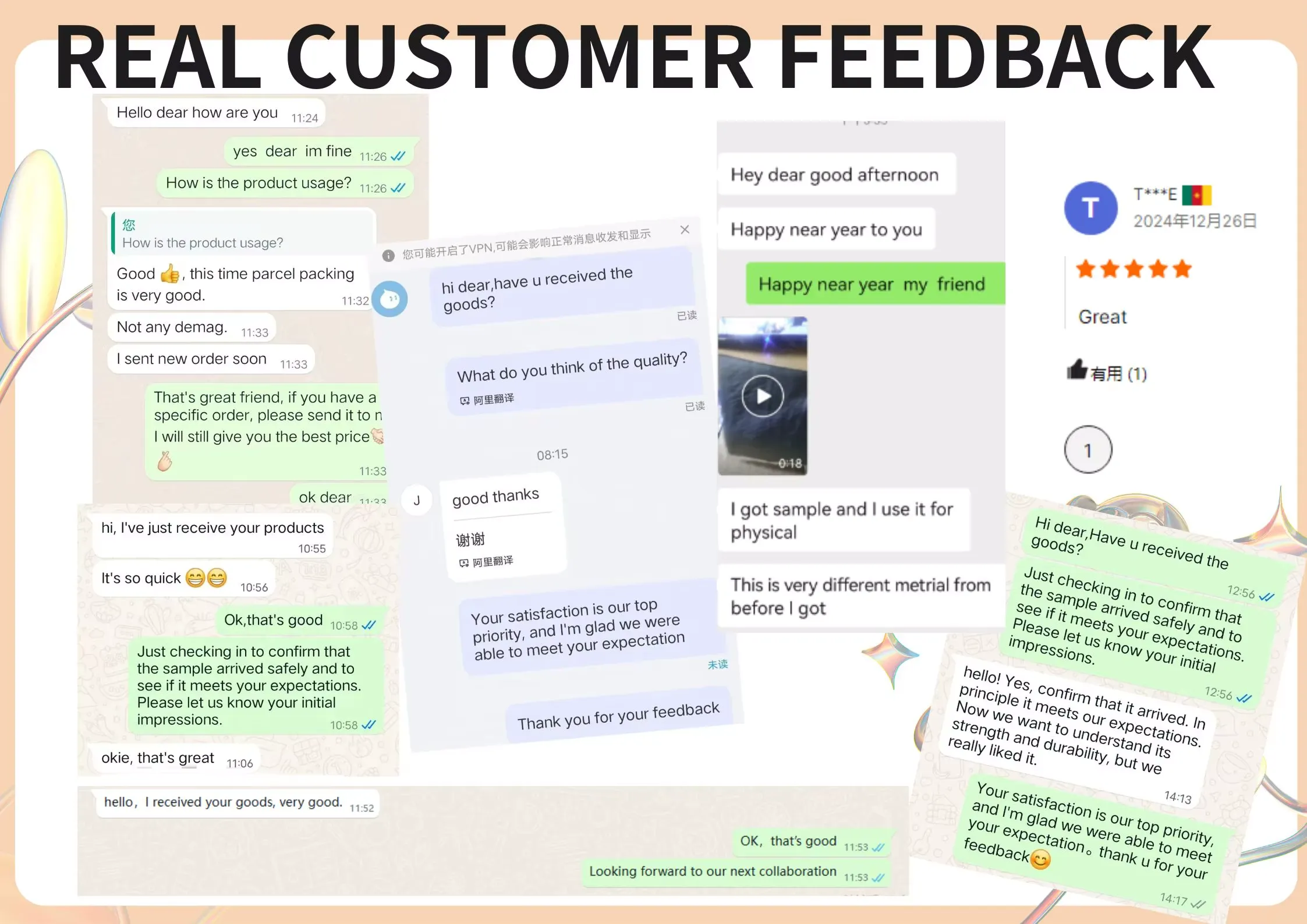
La recepción en el mercado del sistema JY-ZSP subraya los beneficios prácticos que experimentan tanto los contratistas como los propietarios.
Testimonio: Contratista de infraestructura (Oriente Medio)
Optamos por JY-ZSP para nuestros proyectos de sótanos debido a la humedad extrema. Perdíamos días de trabajo esperando el secado del hormigón con los sistemas tradicionales. Con el método de instalación en húmedo, podemos instalar la membrana incluso cuando el sustrato está húmedo. La resistencia de la adherencia es excepcional y prácticamente ha eliminado los problemas de canalización que teníamos con los sistemas de instalación suelta.
Testimonio: Desarrollador residencial (Sudeste Asiático)
Para nuestras torres de apartamentos de alta gama, especificamos JY-ZSP para las zonas húmedas y los balcones. Al no requerir llamas abiertas, nuestras obras son mucho más seguras. Nuestros clientes valoran la tranquilidad a largo plazo que ofrece un material de alta resistencia y autorreparación.
Los especialistas del sector destacan constantemente la capacidad de autorreparación como un factor clave para reducir los costes de mantenimiento correctivo. Las pequeñas perforaciones que puedan producirse durante la colocación del acero de refuerzo o el vertido de las capas de protección se sellan automáticamente gracias a la resistencia inherente a la fluencia del betún.
Preguntas frecuentes (FAQ)
P: ¿JY-ZSP es lo mismo que una membrana de aplicación con soplete estándar?
R: No. Aunque ambos utilizan betún, JY-ZSP es un sistema autoadhesivo de aplicación en frío que no requiere llama abierta. Además, incorpora un adhesivo "reactivo" que se adhiere químicamente al hormigón, a diferencia de la adhesión puramente física de los productos de aplicación con soplete.
P: ¿Se puede aplicar esta membrana durante el tiempo lluvioso?
R: Si bien la membrana puede aplicarse sobre sustratos húmedos, no debe instalarse durante lluvias intensas ni si hay agua estancada en la superficie. Las operaciones deben suspenderse en condiciones climáticas severas, como vientos fuertes o nevadas intensas.
P: ¿La membrana necesita protección UV?
R: Sí. La mayoría de las membranas bituminosas autoadhesivas están diseñadas para uso sin exposición. Si se utilizan en un tejado, deben cubrirse con una capa protectora (como tejas, hormigón o grava) dentro de las tres semanas posteriores a su instalación para evitar la degradación por rayos UV, a menos que se utilice una versión especial resistente a los rayos UV.
P: ¿Dónde puedo encontrar el mejor valor para este producto?
R: Al buscar la membrana impermeabilizante autoadhesiva más económica, es importante considerar el costo total de instalación. Dado que JY-ZSP reduce el tiempo de mano de obra y elimina la necesidad de imprimación y gas, suele ser la solución más económica para proyectos a gran escala. La membrana impermeabilizante autoadhesiva disponible a través de nuestros distribuidores autorizados incluye soporte técnico completo y orientación para el proyecto.
P: ¿Cómo se manejan las superposiciones cuando hace frío?
R: En temperaturas inferiores a 10℃, puede ser necesario utilizar una pistola de aire caliente para calentar suavemente el adhesivo en las zonas de superposición para garantizar una adhesión inmediata y permanente.
P: ¿Puedo usar esto para un proyecto de techo verde?
R: Sí, es especialmente adecuado para techos plantados debido a su alta resistencia a la perforación y la capacidad del enlace reactivo para resistir la penetración de raíces en la interfaz.
Perfil corporativo: Shandong Juyang Waterproof Technology (Great Ocean Waterproof)
Shandong Juyang Waterproof Technology Co., Ltd., headquartered in Taitou Town, Shouguang City—the "National Waterproof Materials Capital" of China—has been a pioneer in the waterproofing industry since 1999. Operating under the international brand Great Ocean Waterproof, the company has evolved into a high-tech enterprise that integrates research and development, manufacturing, and sales.
Nuestras instalaciones utilizan líneas de producción automatizadas de última generación para ofrecer una gama completa de soluciones de impermeabilización, que incluyen membranas autoadhesivas, rollos de polímero y recubrimientos de alto rendimiento. Nos comprometemos con los valores fundamentales de integridad, pragmatismo e innovación, garantizando que cada producto que fabricamos cumpla con los más altos estándares internacionales de calidad y rendimiento.
As a one-stop system solution provider, Great Ocean Waterproof has participated in numerous landmark civil and industrial engineering projects. Our expertise spans across roofing systems, underground garages, subway tunnels, and high-speed railway bridges. We provide our clients with more than just materials; we offer full-cycle support, including customized technical consulting, site-specific construction guidance, and robust after-sales warranties.
Para obtener más información sobre nuestra amplia línea de productos o para solicitar una consulta técnica para su próximo proyecto, visite nuestra página oficial en https://great-ocean-waterproof.com/Nuestro equipo de expertos está listo para ayudarle a encontrar las soluciones de impermeabilización más eficientes y duraderas para sus necesidades estructurales únicas.
Productos relacionados
-

Membrana impermeabilizante de cloruro de polivinilo de PVC Membrana impermeabilizante de PVC
-
![Membrana autoadhesiva JY-ZPU, membrana impermeable de polímero autoadhesivo [PY]](https://great-ocean-waterproof.com/wp-content/uploads/2025/12/JY-ZPU-Self-Adhered-Membrane-Self-Adhesive-Polymer-Waterproof-Membrane-PY_1-300x300.webp)
Membrana autoadhesiva JY-ZPU, membrana impermeable de polímero autoadhesivo [PY]
-
![Membrana impermeabilizante autoadhesiva de alta resistencia JY-ZSH [H]](https://great-ocean-waterproof.com/wp-content/uploads/2025/12/JY-ZSH-High-Strength-Self-Adhesive-Waterproofing-Membrane-H2_1-300x300.webp)
Membrana impermeabilizante autoadhesiva de alta resistencia JY-ZSH [H]
-

Membrana impermeabilizante de asfalto modificado con polímeros JY-NSB resistente a la perforación de raíces
-
![Membrana impermeabilizante de polímero autoadhesivo JY-ZNU [N]](https://great-ocean-waterproof.com/wp-content/uploads/2025/12/JY-ZNU-Self-Adhesive-Polymer-Waterproofing-Membrane-N_1-300x300.webp)
Membrana impermeabilizante de polímero autoadhesivo JY-ZNU [N]