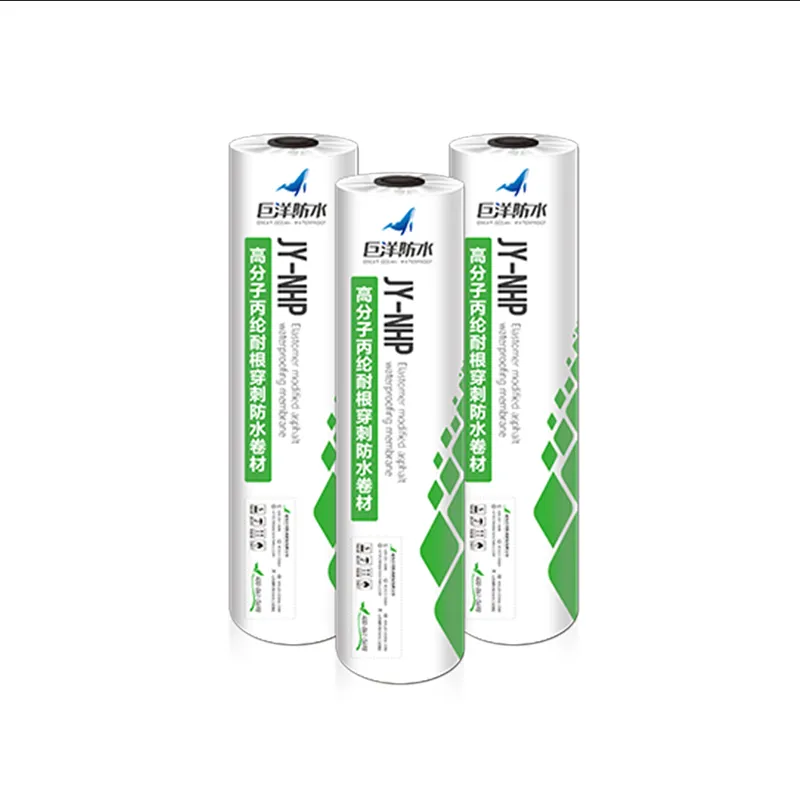
ממברנת איטום פולימר עמידה בפני ניקוב שורשים JY-NHP
ממברנת איטום הפולימר JY-NHP עמידה בפני ניקוב שורשים כוללת עיצוב תלת-שכבתי לעמידות ביישומי גינון. השכבה העליונה עשויה מבד לא ארוג מפוליפרופילן, המציע חוזק מתיחה וחספוס פני שטח כדי להקל על הדבקה עם טיט צמנט. השכבה האמצעית היא סרט איטום מפוליאתילן המספק עמידות כימית וחדירות נמוכה. שכבת ההגנה על השורשים משלבת מעכבים כימיים, כגון מרכיבים חוסמי שורשים בעלי תו תקן SGS שוויצרי, או מבנים פיזיים כמו בסיס נחושת למניעת חדירת שורשי צמחים. כיצרנית בסין, מפעל Great Ocean Waterproof שלנו מייצר ממברנה זו עם אפשרויות זמינות ברמות מחיר שונות.
מבוא למוצר
ממברנת איטום פולימר עמידה בפני ניקוב שורשים JY-NHP היא חומר מרוכב רב שכבתי המיועד ליישומי איטום בסביבות נוטות לחדירת שורשים, כגון גגות ירוקים או אזורים צמחיים. היא מורכבת משלוש שכבות עיקריות: שכבה עליונה של בד פוליפרופילן לא ארוג המציע חוזק מתיחה ומרקם פני השטח להדבקה עם טיט צמנט; שכבה אמצעית של סרט פוליאתילן (PE) המשמש כמחסום איטום מרכזי עם עמידות כימית וחדירות נמוכה; ושכבת הגנה על שורשים המשלבת מעכבים כימיים (המאשרים על ידי SGS השוויצרית לתכונות חסימת שורשים) או מחסומים פיזיים כמו בסיסי נחושת כדי למנוע חדירת שורשי צמחים.
ממברנה זו משמשת בדרך כלל בגגות בניינים, באזורי חוף ומבנים אחרים הדורשים הגנה עמידה מפני לחות. תכונות עיקריות כוללות צפיפות גבוהה להפחתת מעבר אדים, עמידות בפני קרעים ועמידות בפני עייפות, מה שהופך אותה למתאימה לחשיפה ארוכת טווח ללחצים סביבתיים.
| עובי (מ"מ) | 0.7~1.2 | אורך (מ') | 50 / 100 | רוחב (מ') | 1.2 |
| מִשׁטָח | בד לא ארוג | פנים תחתונות | פוליאתילן פוליפרופילן | ||
תכונות מוצר
- עמידות בפני ניקוב שורשיםמשלב מעכבי שורשים כימיים שאושרו על ידי SGS השוויצרי או מחסומים פיזיים כגון בסיסי נחושת לחסימת חדירת שורשי צמחים לחומר, מתאים ליישומים כמו גגות ירוקים ואזורים צמחיים.
- ביצועי איטוםסרט הפוליאתילן (PE) האמצעי משמש כשכבה העיקרית לאטום למים עם חדירות נמוכה ועמידות כימית, בעוד שבד הפוליפרופילן העליון הלא ארוג מספק מרקם פני השטח להדבקה בטוחה עם טיט צמנט, ותורם למניעת דליפות אמינה.
- עמידות בפני קורוזיה כימיתמציע עמידות בפני חומצות, בסיסים, מלחים וחומרים קורוזיביים סביבתיים אחרים, מה שהופך אותו לשימושי בסביבות גיאולוגיות או תעשייתיות מורכבות.
- חוזק מתיחה וגמישותמשלב בסיס פוליאתילן גמיש עם חיזוק פוליפרופילן כדי להתמודד עם עיוות או סדקים בבסיס, ומפחית את הסבירות לכשל החומר לאורך זמן.
- עמידות ואריכות ימיםמציג תכונות אנטי אייג'ינג עם אורך חיים טיפוסי של מעל 20 שנה, המסייע בהפחתת עלויות תחזוקה בהתקנות ארוכות טווח.
- יישומים רב-תכליתייםמיועד להגדלת גגות אך משמש גם במרתפים, מנהרות, אתרי פסולת ופרויקטים דומים הדורשים הגנה מפני חדירת שורשים או לחות.
ביצועים
| לֹא. | פָּרִיט | יְחִידָה | מַדָד | |
|---|---|---|---|---|
| 1 | סטיית גודל מותרת | עוֹבִי | % | ±10 |
| רוֹחַב | % | ±1 | ||
| מֶשֶׁך | % | ערכים שליליים אינם מורשים | ||
| 2 | חוזק מתיחה בשבירה (בטמפרטורת החדר) | MPa | ≥7.5 | |
| חוזק מתיחה בעת שבירה (60 ℃) | MPa | ≥2.3 | ||
| 3 | התארכות מתיחה בשבירה (בטמפרטורת החדר) | % | ≥450 | |
| התארכות מתיחה בשבירה (-20 ℃) | % | ≥200 | ||
| 4 | חוזק הקרע | קנ"ו/מ"ר | ≥25 | |
| 5 | אטימות (30 דקות) | * | 0.3 מגה פסקל ללא דליפה | |
| 6 | טמפרטורת כיפוף בטמפרטורה נמוכה | ℃ | ≤ -40 ללא סדקים | |
| 7 | כמות התפשטות החימום | לְהַאֲרִיך | מ"מ | ≤2 |
| חוֹזֶה | מ"מ | ≤4 | ||
| 8 | הזדקנות באוויר חם ב-80 מעלות צלזיוס למשך 168 שעות | קצב שימור חוזק מתיחה של שבר | % | ≥80 |
| קצב שימור התארכות בשבירה | % | ≥70 | ||
| 9 | אלקלי (תמיסת Ca(OH)₂ רוויה בטמפרטורת החדר X168 שעות) | קצב שימור חוזק מתיחה של שבר | % | ≥80 |
| קצב שימור התארכות בשבירה | % | ≥80 | ||
| 10 | הזדקנות אוזון (40 ℃ X168h) קצב התארכות 40%, 500x102 | * | אין סדקים | |
| 11 | בליה מלאכותית | קצב שימור חוזק מתיחה של שבר | % | ≥80 |
| קצב שימור התארכות בשבירה | % | ≥70 | ||
השוואה עם ממברנות דומות
ממברנת איטום פולימר עמידה בפני ניקוב שורשים JY-NHP היא מוצר מבוסס פוליאתילן-פוליפרופילן המיועד ליישומים הדורשים הגנה מפני לחות וחדירת שורשים. להלן השוואה עם ממברנות דומות נבחרות של יצרנים אחרים, תוך התמקדות בחומרים, מפרטים, תכונות ויישומים. זה מבוסס על נתוני מוצר זמינים ותקני תעשייה, תוך ציון הביצועים עשויים להשתנות בהתאם להתקנה ולתנאי הסביבה.
| מוּצָר | חומרים | עובי (מ"מ) | תכונות עיקריות | יישומים |
|---|---|---|---|---|
| JY-NHP (Great Ocean Waterproof) | חלק עליון: בד לא ארוג מפוליפרופילן; חלק אמצעי: סרט פוליאתילן (PE); הגנה על שורשים: מעכבי כימיקלים (עם אישור SGS) או בסיס נחושת | 0.7–1.2 | עמידות בפני ניקוב שורשים באמצעות מעכבים או מחסומים; עמידות למים עם חדירות נמוכה; עמידות בפני קורוזיה כימית לחומצות, בסיסים ומלחים; חוזק מתיחה וגמישות להסתגל לעיוות הבסיס; אורך חיים בדרך כלל מעל 20 שנה; תכונות אנטי אייג'ינג | גגות ירוקים, מרתפים, מנהרות, אתרי פסולת, אזורים עם חשיפה לשורשים או לחות |
| CANLON MBP-ZZ TPO (עמיד בפני שורשים) | פוליאולפין תרמופלסטי (TPO), שכבה דביקה עצמית | 1.2–1.6 | עמידות בפני ניקוב שורשים נבדקה לפי תקנים לאומיים; עמידות בפני ניקוב ומזג אוויר; סבילות לטמפרטורות גבוהות/נמוכות; הדבקה איתנה עם בטון; עמידות בפני קרינת UV וכימיקלים | איטום תת קרקעי, גגות, גגות ירוקים, מבנים תעשייתיים |
| סופרמה קולפן 1000 | ביטומן אלסטומרי SBS עם סרט פוליאתילן נגד שורשים, חיזוק מרוכב | בערך 3.0–4.0 (מבוסס על קווי SBS דומים) | דביק; עמידות בפני חדירת שורשים (תואם ל-EN 13948 בסדרה); עמידות בפני ניקוב וקריעה; גמיש בטמפרטורות נמוכות | גגות, קירות, מבני בטון, גגות ירוקים הדורשים מחסומי שורשים |
| EPDM של Elevate GeoGard | גומי אתילן פרופילן דיאן מונומר (EPDM) | 1.0–1.5 (נפוץ לשימוש בגגות ירוקים) | עמידות בפני חדירת שורשים (נבדק ב-EN 13948 וב-FLL); גמישות גבוהה (התארכות של >300%); עמידות בפני ניקובים; סבילות לקרינת UV ואוזון; זווית חיכוך גבוהה ליציבות | גגות ירוקים, בריכות, ציפוי גיאוממברנלי, מערכות צמחייה נרחבות |
| IKO Permatec נגד שורשים | תרכובת להמסה חמה עם מעכב שורשים, ביטומן מעובד APP או SBS | נומינלי 6–8 (יישום דו-שכבתי) | מעכב שורשים משולב; עמידות בפני פגיעות ודקירה; גמיש ואטום מעצמו; עמידות בפני הרמת רוח עם נטל | גגות הפוכים, גגות ירוקים, גינות גג, מערכות ממברנות מוגנות |
ממברנות אלו חולקות תכונות משותפות כמו עמידות לשורשים ואיטום, אך נבדלות בחומרי הבסיס - JY-NHP ו-Sourco (אפשרות דומה נוספת של פוליאתילן-פוליפרופילן) מדגישות פולימר מרוכבים לגמישות, בעוד שאחרות כמו EPDM אוֹ הסכם זכויות יוצרים (TPO) התמקדו בתכונות גומי או תרמופלסטיות לאריכות ימים בתנאים חשופים. אפשרויות מבוססות ביטומן (למשל, SOPREMA SBS) עשויות להציע גישור טוב יותר על סדקים באקלים משתנה אך דורשות התקנה רב שכבתית. הבחירה תלויה בספציפיים של הפרויקט, כגון חשיפה לכימיקלים או שיטת ההתקנה.
יישומים
ממברנת JY-NHP מיועדת לסביבות בהן איטום חייב לעמוד בפני חדירת שורשים וחשיפה כימית. בהתבסס על הרכב הפולימר שלה ותכונותיה העמידות בפני שורשים, היא מיושמת בפרויקטים שונים של בנייה ותשתיות. להלן יישומים נפוצים, הלקוחים מפרקטיקות בתעשייה עבור ממברנות דומות מבוססות פוליאתילן.
- גגות ירוקים וגני גגותמשמש כשכבת מחסום מתחת לצמחייה כדי למנוע נזק משורשי צמחים למבנה הבסיסי תוך שמירה על שלמות עמידות למים. מעכבי השורשים הכימיים או הפיזיים שלו הופכים אותו מתאים למערכות גגות ירוקים נרחבות ואינטנסיביות, שם הוא תומך בגדילת צמחים לטווח ארוך ללא דליפות.
- אזורי שתילה תת-קרקעייםמיושם בשטחים ירוקים תת-קרקעיים או במרתפים צמחיים כדי לחסום חדירת שורשים מהאדמה הסובבת, תוך הבטחת שמירה על שכבת האיטום במסגרות גיאולוגיות מורכבות.
- מרתפים ויסודותמספק הגנה מפני לחות במבנים מתחת לפני הקרקע, עמיד בפני קורוזיה כימית ממי תהום או מזהמי קרקע, ומתאים את עצמו לתנועות קלות בבסיס מבלי להיסדק.
- מנהרות ותשתיות תת-קרקעיותמותקן כבטנה עמידה למים במנהרות כדי להתמודד עם חלחול מים וחשיפת שורשים אפשרית באזורים צמחיים או משוקמים, תוך מינוף גמישותו ועמידותו לאורך חיים ארוך.
- פסולת ומטמנותמשמש כגיאוממברנה במכסות או בטנות של פסולת פסולת כדי למנוע חדירת שורשים מצמחייה שמעליה, תוך מתן עמידות בפני קורוזיבי סביבה כמו חומצות ומלחים.
- גגות שטוחים וטרסותמתאים לגגות שטוחים ללא צמחייה באזורי חוף או תעשייה, שם תכונותיו נגד הזדקנות ועמידותו כימית מסייעות להפחית את התחזוקה בתנאים קשים.
- פרויקטים נוספים לאיטוםמשמש במתקנים תעשייתיים או באזורים עם חשיפה גבוהה לכימיקלים, כגון מאגרים או קירות תמך, בהם נדרשת עמידות בפני ניקוב וחדירות נמוכה כדי להגן מפני נזקי מים ושורשים.
שיטות התקנה
ממברנת JY-NHP מותקנת בדרך כלל באמצעות טכניקות איטום סטנדרטיות המותאמות להרכב הפולימר שלה ולתכונות העמידות בפני שורשים. השיטות משתנות בהתאם ליישום (למשל, גגות ירוקים, מרתפים, מנהרות), אך בדרך כלל כרוכות בהכנת פני השטח, הנחת הממברנה, איטום והגנה. יש להקפיד תמיד על חוקי הבנייה המקומיים והנחיות היצרן; מומלץ להתקין באופן מקצועי כדי להבטיח ביצועים. להלן שיטות נפוצות המבוססות על נהלים בתעשייה עבור ממברנות פוליאתילן-פוליפרופילן דומות.
שלבי הכנה (משותפים לכל השיטות)
- בדיקת וניקוי משטחיםיש לבדוק את התשתית (למשל, גג או קיר בטון) לאיתור שלמות מבנית, סדקים או אי סדרים. יש לנקות את המשטח כדי להסיר אבק, פסולת, שמן או חומרים רופפים באמצעות מטאטאים, שטיפה בלחץ או ליטוש מכני. יש לתקן כל פגם באמצעות רובה שאינה מתכווצת או חומרי איטום, ולוודא שהמשטח חלק ויבש.
- תִחוּליש למרוח פריימר תואם אם צוין, כגון חומר דבק על בסיס מים או ממס, כדי לשפר את ההדבקה. יש לאפשר לו להתייבש לחלוטין לפני שתמשיך. בתנאים רטובים או לחים, יש לוודא שהתשתית נקייה ממים עומדים כדי למנוע בעיות הידבקות.
- שיקולים סביבתייםיש להתקין בטמפרטורות מעל 5°C (41°F) ומתחת ל-40°C (104°F) לצורך טיפול אופטימלי. יש להימנע מהתקנה בזמן גשם או רוחות עזות.
שיטת הדבקה דביקה (מתאים לגגות ירוקים ומשטחים אופקיים)
שיטה זו משתמשת בדבקים כדי לאבטח את הממברנה, תוך מינוף שכבת הבד הלא ארוג העליונה להדבקה עם טיט צמנט או דבקים תואמים.
- פרשו את יריעות הממברנה החל מהנקודה הנמוכה ביותר או מקצה אחד של האזור, ויישרו אותן כך שיכסו את המשטח ללא קמטים.
- חפיפו יריעות סמוכות במרחק של 6-10 ס"מ (2.4-4 אינץ') בתפרים ובמרחק של 15-20 ס"מ (6-8 אינץ') בקצוות.
- יש למרוח דבק תואם פולימרים או טיט צמנט על המצע או על החלק התחתון של הממברנה, ולאחר מכן ללחוץ את הממברנה למקומה באמצעות רולר כדי למנוע כיסי אוויר.
- יש לאטום חפיפות באמצעות ריתוך בחום (באמצעות אקדח אוויר חם לקצוות פוליאתילן) או סרטי דבק המאושרים לחומר.
- עבור יישומי גגות ירוקים, יש להוסיף שכבת מגן (למשל, שטיח ניקוז או גיאוטקסטיל) מעל הממברנה לפני הוספת אדמה או צמחייה כדי למנוע ניקוב במהלך המילוי החוזר.
- יש לייבש את הדבק לפי ההוראות, בדרך כלל 24-48 שעות לפני ההעמסה.
שיטת הנחת פסולת רופפת עם נטל (נפוצה עבור גגות ומטמנות)
אידיאלי לאזורים גדולים ושטוחים שבהם חיבור מכני אינו מעשי; הממברנה מוחזקת במקומה על ידי חומרים שמעליה.
- פרשו את הממברנה באופן רופף מעל המצע המוכן, תוך מתן אפשרות להתפשטות תרמית (השאירו מרווח קל).
- חפיפו תפרים כפי שנכתב לעיל ואטמו אותם באמצעות ריתוך בחום או רצועות הדבקה עצמית כדי ליצור מחסום רציף.
- התקינו קצוות בעזרת מוטות מתכת או דבקים כדי לאבטח היקפים וחדירות (למשל, סביב צינורות או פתחי אוורור).
- כסו בשכבת נטל כגון חצץ, אבני ריצוף או אדמה לגגות ירוקים, תוך הקפדה על פיזור אחיד כדי למנוע תזוזות. באזורים מועדים לשורשים, שלבו שכבת הפרדה בין הממברנה לנטל.
- בדוק את אטימות המים על ידי הצפת האזור או באמצעות מערכת אלקטרונית לגילוי דליפות לאחר ההתקנה.
שיטת הידוק מכנית (למשטחים אנכיים או משופעים כמו מרתפים ומנהרות)
משמש באזורים עם תנועה פוטנציאלית או עומסים גבוהים, מחבר את הממברנה ישירות למצע.
- מקמו את הממברנה וסמנו נקודות חיבור במרווחים (למשל, כל 30-60 ס"מ לאורך התפרים).
- יש לאבטח בעזרת מחברים עמידים בפני קורוזיה (ברגים או מסמרים עם דיסקיות) דרך החפיפות לתוך התשתית, תוך הימנעות מחדירת שכבת האיטום.
- אטמו את ראשי המחברים והתפרים בעזרת טלאים או סרטים מאותו חומר.
- עבור מנהרות או מרתפים, יש לחזק פינות ומפרקים בעזרת רצועות נוספות של ממברנה.
- מלאו או הוסיפו לוחות בידוד באופן מיידי כדי להגן מפני נזק, תוך שכבת המילוי כדי למנוע שקיעה.
שיקולים מיוחדים עבור יישומים עמידים לשורשים
- בגגות צמחייה או באזורים עם צמחייה, יש למקם את שכבת ההגנה על השורשים (עם מעכבים כימיים או מחסומי נחושת) מול מקורות שורשים פוטנציאליים.
- בצעו בדיקת מים סגורה לאחר ההתקנה כדי לוודא את תקינות האיטום לפני הוספת אדמה או צמחים.
- עבור גיאומטריות מורכבות (למשל, מפרקי התפשטות, פינות), השתמשו באביזרים מוכנים מראש או בחיזוק נוסף כדי לתחזק את המחסום.
- כלים נדרשים: סכין חיתוך, גלילים ללחיצה, אקדח אוויר חם לריתוך, סרט מדידה וציוד בטיחות (כפפות, מגן עיניים).
ביקורות לקוחות
ג'ון מארצות הברית (קבלן בגינון עירוני): השתמשתי בממברנת JY-NHP בכמה פרויקטים של גגות ירוקים בבנייני עיר. עמידותה בפני ניקוב שורשים החזיקה מעמד במהלך עונת הגידול הראשונה ללא סימני חדירה של צמחים תוקפניים. היא נקשרה היטב לטיט, וההתקנה הייתה פשוטה ללא צורך בכלים נוספים. בסך הכל, היא עמדה בדרישות העבודה ללא בעיות.
אנה מגרמניה (בעלת בית עם מרפסת גינה): התקנו את ממברנת האיטום הזו מתחת לגינת הגג שלנו בשנה שעברה. היא שמרה על המבנה שמתחת יבש גם בגשמים עזים וקפיאות חורף. החומר מרגיש חזק, ועד כה לא שמנו לב לסדקים או להתפוררות. זוהי בחירה מעשית לאזורים עם גידול צמחים, אם כי היינו צריכים להבטיח חפיפה נאותה במהלך ההתקנה.
לי ווי מסין (מהנדס בפרויקטים של תשתיות): ביישום איטום מנהרות, ה-JY-NHP תפקד כראוי כנגד לחות וחשיפה כימית מהאדמה. הגמישות עזרה לו להסתגל לתזוזות קלות בבסיס מבלי להיקרע. אורך החיים נראה מבטיח בהתבסס על בדיקות ראשוניות, מה שמפחית את הצורך בבדיקות תכופות. הוא מתאים לשימושים תעשייתיים שבהם עמידות היא המפתח.
שרה מאוסטרליה (אדריכלית נוף): יישמנו את החומר הזה במרתף של נכס על חוף הים כדי להתמודד הן עם חדירת מים והן עם חדירת שורשים מעצים סמוכים. עמידות הקורוזיה לתנאים מלוחים הייתה מורגשת, ללא דליפות לאחר שנה של חשיפה. זה לא החומר הקל ביותר לטיפול, אבל אפשרויות הרוחב והאורך הפכו את החיתוך וההרכבה לניתנים לניהול עבור הצוות שלנו.

שאלות נפוצות (FAQ)
אילו חומרים משמשים בממברנת איטום פולימר עמידה בפני ניקוב שורשים JY-NHP? הממברנה מורכבת משלוש שכבות: שכבת בד פוליפרופילן לא ארוגה עליונה להדבקה וחוזק מתיחה, שכבת פוליאתילן (PE) אמצעית לאיטום ועמידות כימית, ושכבת הגנה על שורשים עם מעכבי כימיקלים (עם אישור SGS) או מחסומים פיזיים כמו בסיסי נחושת.
כיצד הממברנה מתנגדת לדקירת שורש? הוא משלב מעכבי שורשים כימיים או מבנים פיזיקליים כגון בסיסי נחושת כדי לחסום חדירת שורשי צמחים, מה שהופך אותו מתאים לגגות ירוקים או לאזורים עם צמחייה. הדבר אושר על ידי SGS השוויצרית ליעילות חסימת שורשים.
מהם היישומים האופייניים למוצר זה? הוא משמש בירוק גגות, מרתפים, מנהרות, אתרי פסולת ופרויקטים אחרים בהם נדרשת הגנה מפני חדירת לחות ושורשים. הוא מתפקד היטב בסביבות גיאולוגיות או תעשייתיות מורכבות בזכות עמידותו הכימית.
מהם המפרטים הזמינים? הממברנה מגיעה בעוביים של 0.7 מ"מ עד 1.2 מ"מ, אורכים של 50 מטר או 100 מטר לגליל, ורוחב של 1.2 מטר. המשטח עשוי בד לא ארוג, עם ציפוי תחתון עשוי פוליאתילן-פוליפרופילן מרוכב.
כיצד מותקנת ממברנת JY-NHP? ההתקנה כוללת שיטות איטום סטנדרטיות, כגון הדבקה עם טיט צמנט על השכבה העליונה. יש לוודא חפיפה ואיטום נאותים בתפרים כדי לשמור על שלמות האיטום. מומלץ להתקין מקצועית לקבלת תוצאות אופטימליות.
מהו אורך החיים הצפוי של הממברנה? בתנאים רגילים, יש לו אורך חיים של יותר מ-20 שנה, עם תכונות אנטי אייג'ינג המפחיתות את הצורך בתחזוקה תכופה.
האם הממברנה עמידה בפני כימיקלים וגורמים סביבתיים? כן, הוא עמיד בפני חומצות, בסיסים, מלחים וחומרים קורוזיביים אחרים, מה שהופך אותו מתאים לסביבות קשות כמו אזורי חוף או אתרים תעשייתיים.
האם זה דורש תחזוקה מיוחדת? נדרשת תחזוקה מינימלית לאחר ההתקנה. מומלץ לבצע בדיקות תקופתיות לאיתור נזקים או בלאי, במיוחד באזורים חשופים מאוד, אך עמידותו מסייעת בהפחתת עלויות בטווח הארוך.
האם ממברנה זו מתאימה לחומרי בניין אחרים? הוא נקשר היטב לטיט צמנט וגמיש מספיק כדי להסתגל לעיוותים בבסיס. יש לבדוק תאימות עם מצעים או דבקים ספציפיים המשמשים בפרויקט שלכם.
היכן ניתן לרכוש את ממברנת JY-NHP? ניתן להשיג דרך מפיצי Great Ocean Waterproof או ספקים מורשים. צרו קשר לקבלת פרטים על זמינות באזורכם.

אודות Great Ocean Waterproof
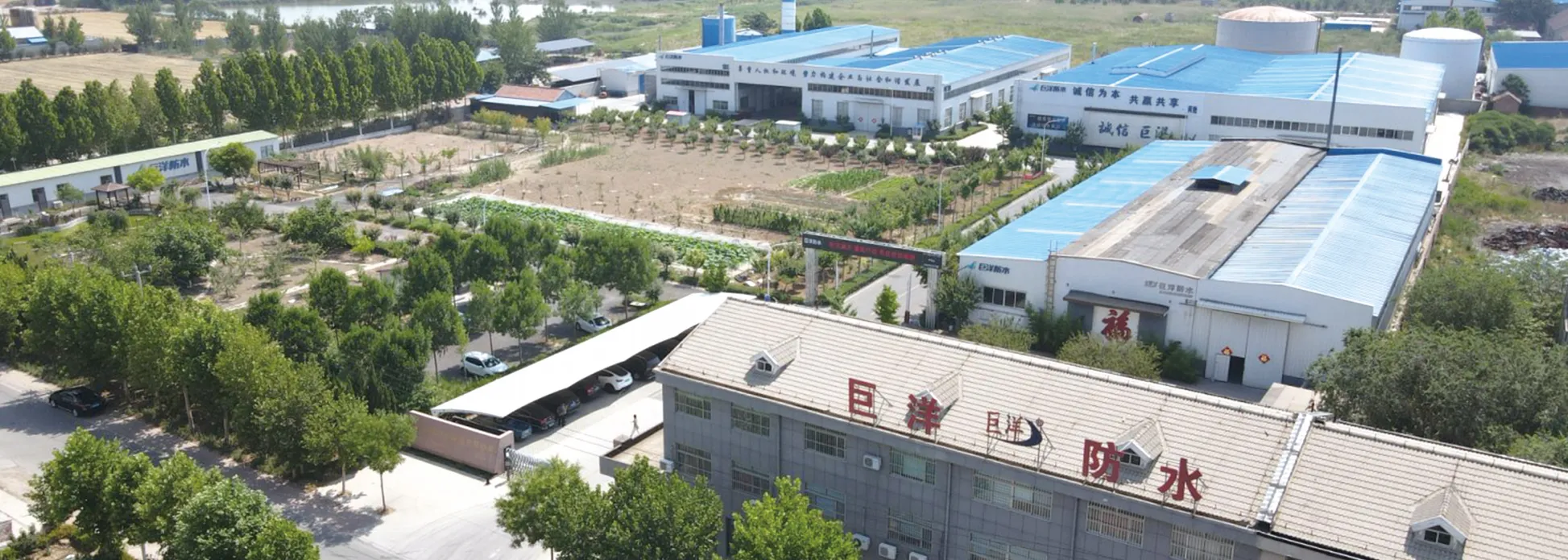
חברת Shandong Great Ocean Waterproof Technology Co., Ltd. (לשעבר Weifang Juyang New Waterproof Materials Co., Ltd.) ממוקמת בעיר טייטו, ששואוגאנג סיטי, מרכז חומרי האיטום הגדול ביותר בסין. החברה נוסדה בשנת 1999 ומתמחה במחקר, ייצור ומכירה של מוצרי איטום, המשתרעת על פני 26,000 מ"ר עם קווי ייצור מתקדמים של ממברנות, יריעות וציפויים.
ההיצע העיקרי כולל ממברנות פולימר פולימרי פולימרי פולימרי, ממברנות PVC ו-TPO, מגוון דגימות, אפשרויות עמידות בפני ניקוב שורשים (למשל, פולימרי פולימרי פולימרי פולימרי, PVC), ממברנות אספלט מעובדות, לוחות ניקוז, ציפויי פוליאוריטן וצמנט פולימרי, ציפויים גבישיים. ציפויים עמידים למים, ציפויי אספלט גומי בהתזה, ציפויי אספלט שאינם מתקשים, דבקים שקופים, ציפויי סליל נוזליים וסרטי הדבקה עצמית.
עם מומחיות טכנית חזקה, ציוד מתקדם ויכולות בדיקה מלאות, החברה מבטיחה איכות אמינה, המאושרת על ידי רשויות לאומיות, כולל תאימות האיכות של משרד החקלאות ורישיונות הייצור של שאנדונג. המוצרים נמכרים ביותר מ-20 מחוזות סיניים ומיוצאים לחו"ל, מגובים במחויבות ליושרה, פרגמטיזם, חדשנות והצלחה הדדית לצמיחת שוק.
![ממברנת איטום דביקה עצמית בעלת התארכות גבוהה JY-ZSE [e]](https://great-ocean-waterproof.com/wp-content/uploads/2025/12/JY-ZSE-High-Elongation-Self-Adhesive-Waterproofing-Membrane-e2_1-300x300.webp)


![ממברנה דביקה עצמית JY-ZPU ממברנה אטומה למים פולימרית דביקה עצמית [PY]](https://great-ocean-waterproof.com/wp-content/uploads/2025/12/JY-ZPU-Self-Adhered-Membrane-Self-Adhesive-Polymer-Waterproof-Membrane-PY_1-300x300.webp)