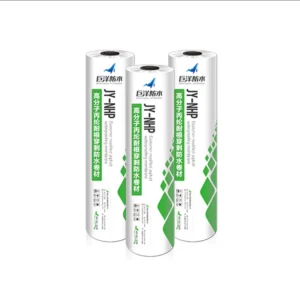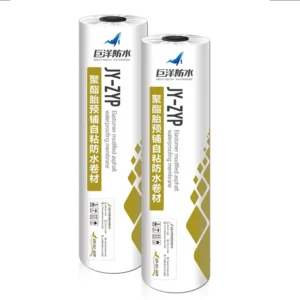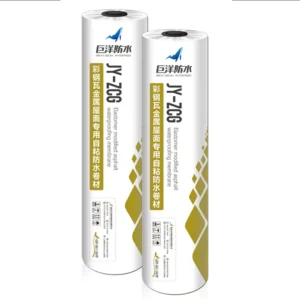

JY-ZSP blautlögð sjálflímandi vatnsheldandi himna
JY-ZSP sjálflímandi vatnsheldandi himna fyrir blauta lagningu er hönnuð til notkunar á rakt undirlag í vatnsheldingarverkefnum sem eru ekki berskjölduð. Hún samanstendur af sjálflímandi breyttu asfaltlagi þar sem jarðolíuasfalt er grunnefni, ásamt sérstökum breytiefnum fyrir virka virkni. Polyester dekkjagrunnur þjónar sem styrkingarlag, þar sem neðri yfirborðið er þakið afhýðanlegri kísilhúðaðri einangrunarfilmu og efri yfirborðið er þakið afhýðanlegri kísilhúðaðri einangrunarfilmu eða pólýetýlen (PE) filmu. Þetta krullaða plötuefni myndar vatnsheldan byggingarhluta. Upplýsingarnar innihalda 3,0 mm þykkt, 10 m lengd og 1,0 m breidd. Það festist við sementsmúr eða er sjálflímandi, hentugt fyrir kjallara, þök og svipuð svæði sem krefjast rakaþols.
Kynning á vöru
Byggingarfræðileg heilleiki nútíma mannvirkjagerðar byggist í grundvallaratriðum á virkni rakavarnarkerfa þeirra. Í samhengi við vaxandi þéttbýlismyndun og útbreiðslu flókinna neðanjarðarmannvirkja hefur eftirspurnin eftir afkastamiklum, endingargóðum og auðuppsettum vatnsheldingarlausnum aldrei verið meiri. JY-ZSP blautlögn sjálflímandi vatnsheldingarhimna er háþróuð þróun í þessum geira og færist út fyrir takmarkanir hefðbundinna brennikerfa í átt að viðbragðs-, köldbeittum aðferðafræði sem stuðlar að varanlegri, samverkandi tengingu við undirlag burðarvirkisins.
Sameindaverkfræði og malbiksbreytingar
Virkni JY-ZSP himnunnar byggist á háþróaðri breytingu á bitumínkjarna hennar. Hefðbundið asfalt, þótt það sé náttúrulega vatnsfráhrindandi, þjáist oft af hitanæmni - það verður brothætt í köldu loftslagi og flæðir í miklum hita. JY-ZSP kerfið tekur á þessum veikleikum með því að samþætta stýren-bútadíen-stýren (SBS) teygjanlegar fjölliður og sérstök virk efni.
Framleiðsluferlið felur í sér að leggja malbikið í lag og dreifa því eftir nákvæmri línu þar sem eimað malbik er breytt með þessum fjölliðum til að ná fram einsleitri dreifingu. Þessi sameindauppröðun tryggir að efnið viðhaldi jöfnu jafnvægi milli geislalaga og línulegra teygjanlegra keðja, sem þýðir beint aukinn sveigjanleika í kulda og langtíma endingu. Nærvera virkra efna gerir himnunni kleift að virka ekki aðeins sem efnisleg hindrun, heldur sem hvarfgjarn þáttur sem tekur þátt í rakamyndunarferli steypuundirlagsins.

Byggingarsamsetning JY-ZSP himnunnar
JY-ZSP himnan er hönnuð sem marglaga, sveigð plötubygging, hönnuð til að veita alhliða vörn gegn vatnsþrýstingi, vélrænum skemmdum og umhverfisspjöllum. Byggingarfræðileg uppsetning himnunnar samanstendur af eftirfarandi virkum lögum:
Styrkingarlag: Í miðju himnunnar er pólýester dekkjaefni. Þessi styrking er mjög sterk og ónæm fyrir götum, núningi og rifi, sem eykur verulega burðarþol efnisins og getu þess til að standast skemmdir bæði frá efri og neðri yfirborði.
Sjálflímandi malbikskjarni: Aðal vatnsheldingarefnið samanstendur af sjálflímandi breyttu asfalti þar sem jarðolíuasfalt er notað sem grunnefni. Þetta lag veitir nauðsynlega vatnslæsingarvirkni og einkennist af mikilli skriðþol og aðlögunarhæfni að aflögun undirlagsins.
Yfirborðsáferð: Efsta lagið er yfirleitt þakið afhýðanlegri kísilhúðaðri einangrunarfilmu eða pólýetýlenfilmu (PE). Þetta verndar límið við flutning og tryggir að hægt sé að rúlla himnunni af án þess að hún festist við sig.
Áferð neðri yfirborðs: Neðri hliðin er varin með afhýðanlegri sílikonhúðaðri einangrunarfilmu sem er fjarlægð við smíði til að afhjúpa virka límlagið.
Fyrir sérhæfð verkefni, svo sem þungar neðanjarðarframkvæmdir, getur kerfið innihaldið sjálflímandi HDPE vatnsheldingarhimnu. Þessi sérstaka samsetning notar háþéttni pólýetýlen til að veita framúrskarandi efnaþol og gatþol, sem gerir það tilvalið fyrir umhverfi þar sem jarðvegurinn inniheldur árásargjarn efni eða þar sem búist er við verulegu fyllingarálagi.
| Íhlutur | Efnisupplýsingar | Aðalhlutverk |
| Grunnefni | Fjölliðubreyttur malbik | Vatnshelding og líming |
| Styrking | Polyester dekkefni | Togstyrkur og gatþol |
| Efri yfirborð | PE filmu / kísillfilmu | Vernd og UV-þol |
| Undirhlið | Kísill einangrunarfilma | Losunar- og límvörn |
| Límtegund | sjálflímandi bitumín vatnsheldandi himna | Viðbragðstenging við tengiviðmót |
Vélfræði blautlagningaraðferðarinnar
„Blautlagningaraðferðin“ er helsti rekstrarkostur JY-ZSP kerfisins. Ólíkt hefðbundnum þurrlagningaraðferðum sem krefjast þess að undirlagið sé fullkomlega þurrt og meðhöndlað með leysiefnagrunni, er JY-ZSP kerfið hannað til notkunar á rakt undirlag með sementsfúgu eða sementsmúr sem bindiefni.
Innsiglun við viðbrögð við viðmóti
Kjarni blautlagningaraðferðarinnar felur í sér efnafræðilega þverbindingu milli virku innihaldsefnanna í límlagi himnunnar og sílikata sem eru í sementsfúguefnum og steypunni.
Þegar himnan er lögð ofan á ferskt fúguefni smjúga virku efnin inn í örholur steypunnar og mynda óafturkræft tvítengi milli efnis og efna. Þessu ferli er oft lýst sem því að himnan „vaxi“ með undirlaginu og býr til tengiflöt sem í raun sameinast í eina byggingareiningu.
Þessi hvarfgjörnu tenging er mikilvæg til að koma í veg fyrir „vatnsleiðni“ – hliðarflutning vatns milli himnunnar og steypubyggingarinnar. Í kerfum sem eru ekki tengd eða illa tengd getur ein gata valdið því að vatn dreifist stjórnlaust yfir allt yfirborðið. Aftur á móti læsir JY-ZSP kerfið vatni á skemmdarpunktinum og tryggir að staðbundin innkoma sé innilokuð og auðvelt sé að gera við hana. Þar af leiðandi er það framúrskarandi vatnsheldandi himna fyrir steypu í umhverfi með hátt grunnvatnsborð.
Hagkvæmni byggingarframkvæmda
Blautlagningarferlið útilokar þörfina fyrir sérstaka meðhöndlun á ójöfnum undirlögum eða áburð á botnhúðun. Þetta einfaldar ekki aðeins byggingarvinnuflæðið heldur styttir einnig byggingartímann verulega og sparar oft meira en 30% af verktíma samanborið við hefðbundnar aðferðir.
Þar sem kerfið þarfnast ekki opins elds (kyndla) býður það upp á öruggari og umhverfisvænni valkost fyrir verkefni þar sem eldhætta er áhyggjuefni, svo sem olíugeymslur, efnaverksmiðjur og trémannvirki.
Tæknileg viðmið og frammistaða rannsóknarstofu
Afköst JY-ZSP himnunnar eru staðfest með röð strangra staðlaðra prófana sem mæla getu hennar til að standast mikinn líkamlegan og hitauppstreymi. Eftirfarandi gögn, sem eru fengin úr rannsóknarstofumælingum, undirstrika tæknilega yfirburði kerfisins.
Vélrænir eiginleikar
Togstyrkur og teygja eru helstu vísbendingar um getu himnu til að takast á við hreyfingar í burðarvirki. JY-ZSP kerfið, styrkt með pólýesterdekkgrunni, sýnir rifkraft ≥ 500 N/50 mm og teygja við hámarks togstyrk ≥ 30%. Þetta tryggir að himnan geti brúað sprungur sem myndast í undirlaginu vegna sig eða varmaþenslu án þess að missa vatnsþéttleika sinn.
| Prófunaratriði | Vísir (Vísirgildi) | Túlkun niðurstaðna |
| Leysanlegt efni | ≥ 2100 g/m² | Ending bitumeninnihalds |
| Rífandi kraftur | ≥ 500 N/50 mm | Þol gegn vélrænu álagi |
| Lenging | ≥ 30 ℃ | Sveigjanleiki í burðarvirki |
| Sveigjanleiki við lágt hitastig | Engar sprungur við -20℃ | Hentar fyrir kalt loftslag |
| Hitaþol | Engin flæði við 70℃, 2 klst. | Stöðugleiki í miklum hita |
| Ógegndræpi | Vatnsheldur við 0,3 MPa, 120 mín. | Þol gegn vatnsþrýstingi |
| Flögnunarstyrkur (fúguefni) | ≥ 1,5 N/mm | Heilleiki hvarfgjarns tengis |
Hita- og umhverfisstöðugleiki
Himnan er hönnuð til að virka við hitastig á bilinu -20°C til 70°C. Hitaþolsprófanir (70°C, 168 klst.) sýna að efnið heldur 90% af togstyrk sínum og 80% af teygju sinni eftir útsetningu, án þess að sprungur komi fram við síðari sveigjanleikaprófanir við lágt hitastig við -18°C. Þessi langtímastöðugleiki er nauðsynlegur til að viðhalda ytra byrði byggingarinnar yfir 50 ára hönnunarlíftíma hennar.
Samanburðargreining á atvinnugreinum
Til að skilja stefnumótandi stöðu JY-ZSP kerfisins er nauðsynlegt að bera það saman við aðrar markaðsstaðlaðar lausnir eins og himnur úr fjölliðum og fljótandi húðun.
Þynnur: Bitumen vs. fjölliður
Á meðan TPO þak sjálflímandi vatnsheldandi himna og PVC þak sjálflímandi vatnsheldandi himna Þar sem þau eru mikils metin fyrir mikla útfjólubláa endurskinsgetu og efnaþol á berskjölduðum þökum, þarf yfirleitt flókna hitasuðu á samskeytum, sem felur í sér hættu á mannlegum mistökum og krefst hæfs vinnuafls. JY-ZSP, sem sjálflímandi bitumenkerfi, notar kalt álagðan þrýstinæman lím sem myndar samræmda þéttingu án þess að þörf sé á sérhæfðum suðubúnaði.
Þar að auki, samanborið við vatnsheldingu úr PVC-himnu, býður JY-ZSP, sem byggir á malbiki, upp á betri sjálfgræðandi eiginleika. Seigfljótandi og teygjanlegur eiginleiki breytts malbiksins gerir því kleift að flæða inn í og þétta litlar göt eða rispur sem verða til við síðari byggingarframkvæmdir, eiginleiki sem hitaplasthimnur skortir almennt.
Fljótandi húðun vs. JY-ZSP
Vökvakerfi, svo sem Vatnsheld húðun úr pólýúretani eða almenn vatnsheld húðun fyrir þak, eru oft valin vegna getu þeirra til að mynda samfellda hindrun á flóknum rúmfræði. Hins vegar eru fljótandi notkunar mjög viðkvæm fyrir aðstæðum á staðnum - hitastigi, rakastigi og getu uppsetningaraðilans til að viðhalda jafnri þykkt blautfilmu. JY-ZSP kerfið býður upp á verksmiðjustýrða þykkt upp á 3,0 mm, sem tryggir að engir „veikir blettir“ eða þunn svæði séu til staðar sem gætu leitt til ótímabærs bilunar.
Fyrir blaut svæði innandyra nota margir verktakar K11 vatnsheld húðun, sem er sementsbundin, tveggja þátta vara. Þótt K11 sé áhrifaríkt til að verja gegn raka í baðherbergjum, skortir það togstyrk og sprungubrúargetu þungrar bitumenplötu eins og JY-ZSP þegar hún er notuð sem vatnsheldandi himna í kjallara.
Forritslén og útfærslusvið
JY-ZSP himnan er fjölhæf lausn sem hentar fyrir óberandi þök, neðanjarðargrunna og innri vatnsheldingarverkefni í fjölbreyttum iðnaðar- og mannvirkjum.
Neðanjarðarinnviðir
Helsta áskorunin í neðanjarðarbyggingum — svo sem neðanjarðarlestum, göngum og bílageymslum — er stöðugur grunnvatnsþrýstingur og jarðvegsbundin efni. JY-ZSP kerfið er oft skilgreint sem sjálflímandi vatnsheldandi himna fyrir undirstöður vegna getu þess til að mynda fullkomlega límda, vatnsþétta innsigli sem þolir mikinn vatnsþrýsting. Í slíku umhverfi verndar himnan ekki aðeins innra rýmið heldur einnig steypubygginguna sjálfa gegn hugsanlega skaðlegum áhrifum árásargjarnra náttúrulegra miðla og lofttegunda í jarðveginum.
Þak og yfirbygging
Í byggingarverkefnum er kerfið notað sem sjálflímandi vatnsheldandi himna fyrir þak, sérstaklega fyrir flöt þök, græn þök (þakgarða) og svalir. Tvíátta rifuþol þess og hitastöðugleiki gerir það að kjörnum grunni fyrir fjöllaga þakkerfi þar sem endingar og útfjólubláa vörn er krafist. Fyrir lóðrétta fleti er efnið notað sem vatnsheldandi himna fyrir veggi, þar sem sterk upphafsfesting þess tryggir að það haldist á sínum stað án þess að renna áður en fyllt er aftur eða verndarlög eru sett á.
Vatnshelding fyrir íbúðarhúsnæði og innanhúss
Innanhúss þjónar himnan sem áreiðanleg vatnsheldandi himna fyrir sturtur, eldhús og salerni. Lyktarlaus og VOC-laus notkun gerir hana sérstaklega hentuga fyrir endurbætur í skólum, sjúkrahúsum og íbúðabyggðum þar sem heilsa og öryggi eru í fyrirrúmi. Þegar hún er notuð á gólf innanhúss virkar hún sem sterk vatnsheldandi himna fyrir steypu og kemur í veg fyrir að raki stígi upp og skemmi gólfefni eða húsgögn.
Ítarleg uppsetningarforskrift
Árangur JY-ZSP kerfisins er að miklu leyti háður nákvæmni uppsetningarferlisins. Eftirfarandi aðferðir lýsa „blautlagningu“ sem mælt er með fyrir bestu mögulegu afköst.
Skref-fyrir-skref leiðbeiningar um smíði
- Meðferð grunnyfirborðs: Hreinsa þarf steypuundirlagið af fljótandi sandi, ryki og rusli. Slétta skal útstandandi skarpar brúnir og gera við holur með viðeigandi múr. Halda skal yfirborðinu röku en lausu við sýnilegt kyrrstætt vatn.
- Undirbúningur sementsfúguefnis: Límefni er búið til með því að blanda 42,5 venjulegu Portland sementi saman við vatn í hlutfallinu um það bil 0,4. Í svæðum með mikilli umferð eða miklu álagi má bæta við litlu magni af límdufti (0,5%) til að auka vinnanleika.
- Smáatriði og hnútameðferð: Áður en aðalrúllan er lögð þarf að bera viðbótarlög af himnu (venjulega 500 mm breið) á innri og ytri horn, útskot pípa og þenslufléttur. Þetta tryggir að viðkvæmustu hlutar mannvirkisins fái þrefalda vörn.
- Hellulagning: Sementsfúguefninu er dreift jafnt yfir undirlagið. JY-ZSP himnan er rúllað út yfir blautu fúguefnið og einangrunarfilman að neðan fjarlægð smám saman. Himnan ætti að vera lögð beint með 80 mm til 100 mm skörun.
- Útblástur og þjöppun: Þungur sílikon- eða gúmmívals er notaður til að þrýsta himnunni fast niður í fúguna. Þessi aðgerð verður að byrja frá miðjunni og færast að brúnunum til að útiloka allar loftbólur og tryggja að límið "blæði út" um allt yfirborðið.
- Þétting enda: Brúnir og endafletir himnunnar eru innsiglaðir með sérstöku þéttipasta eða sementsmúr til að koma í veg fyrir að vatn komist inn á meðan herðingartímabilið stendur.
- Viðhald og herðing: Láta skal fullunnið kerfi loftherða í 24 til 48 klukkustundir. Á meðan ætti að lágmarka umferð gangandi fólks og vernda svæðið fyrir skemmdum.
| Áfangi | Virkni | Gæðagagnrýninn punktur |
| Undirbúningur | Hreinsun undirlags | Enginn laus sandur eða kyrrstætt vatn |
| Blöndun | Samkvæmni fúguefnis | Jöfn blanda, engir kekkir |
| Útlit | Skerandi jöfnun | Lágmarks 80 mm skörunarbreidd |
| Líming | Rúllandi pressa | Fjarlæging allra loftbóla |
| Herðing | Verndun svæðis | 48 klukkustunda ótruflaður gluggi |
Dæmisögur um alþjóðleg verkefni og frammistöðugreining
Áreiðanleiki JY-ZSP kerfisins sést af innleiðingu þess í nokkrum mikilvægum innviðaverkefnum um allan heim, þar sem afleiðingar bilana eru alvarlegar.
Dæmisaga: Neðanjarðarlestarkerfi í þéttbýli (Hefei járnbrautarlína 1)
Við byggingu neðanjarðarhluta Hefei-lestarlínu 1 var vatnsheldingarkerfið alls 110.000 fermetrar að stærð. Verkefnið fól í sér flóknar jarðfræðilegar aðstæður, þar á meðal mikinn vatnsþrýsting og hættu á ójöfnu sigi. Tækniteymið innleiddi fyrirfram álagða himnulímingartækni með því að nota fjölliðubreyttar bitumenhimnur svipaðar og JY-ZSP serían.
Árangur og afrek:
- Verkefnið stóðst allar vatnsþéttleikaprófanir og skoðanir þriðja aðila í fyrstu tilraun og uppfyllti þar með landskröfur 1. stigs.
- Engin lekatilvik hafa verið tilkynnt á þeim þremur árum sem reksturinn hefur verið frá því að hann lauk.
- Notkun kaltlímandi tækni gerði kleift að ljúka verkefninu 15 dögum á undan áætlun, sem hlaut viðurkenninguna „Gæðaverkefni“.
Dæmisaga: Vatnsvirkjun og jarðgöng
Í stóru jarðgönguverkefni í Andesfjöllum í Perú stóðu verkfræðingar frammi fyrir miklum áskorunum vegna sprunginna bergmyndana og viðvarandi vatnsleka. Hefðbundnar vatnsþéttingaraðferðir voru ófullnægjandi vegna stöðugs raka. Notkun sjálflímandi malbikshimna með fjölliðubreytum veitti sveigjanlega en samt sterka þéttingu sem hægt var að nota jafnvel við þessar raku aðstæður. Himnan kom í veg fyrir tæringu á styrktarstáli og tryggði burðarþol jarðganganna.
Dæmisaga: Hafinnviðir (Göng Yellow River neðansjávar)
Verkefni með neðansjávargöng eru hámarkserfiðleikar í vatnsheldingu. Í verkefnum eins og neðansjávargöngunum við Gulafljót, þar sem tímalínur eru einstaklega þröngar (klárað á aðeins 110 dögum), er skilvirkni efnisnotkunarinnar jafn mikilvæg og afköst hennar. Möguleikinn á að nota blautlagningaraðferðir í mjúkum jarðvegi gerir kleift að framkvæma hraða framkvæmdir án þess að skerða vatnslæsingargetu kerfisins.
Viðskiptavinaviðbrögð og umsagnir frá atvinnugreininni
Viðtökur markaðarins á JY-ZSP kerfinu undirstrika þann hagnýta ávinning sem bæði verktakar og fasteignaeigendur hafa upplifað.
Umsögn: Verktaki í innviðauppbyggingu (Mið-Austurlönd)
„Við skiptum yfir í JY-ZSP fyrir kjallaraverkefnin okkar vegna mikils raka. Við vorum að missa daga af vinnu við að bíða eftir að steypan þornaði fyrir hefðbundin kerfi. Með blautlagningaraðferðinni getum við sett upp himnuna jafnvel þegar undirlagið er rakt. Límstyrkurinn er einstakur og það hefur nánast útrýmt vandamálunum með rásir sem við glímdum við með lauslagðar kerfi.“
Umsögn: Íbúðarverktaki (Suðaustur-Asía)
„Fyrir lúxusíbúðaturna okkar notum við JY-ZSP fyrir blaut svæði og svalir. Sú staðreynd að það þarf ekki opinn eld gerir vinnusvæði okkar mun öruggari. Viðskiptavinir okkar kunna að meta langtíma hugarróina sem fylgir efni með mikilli teygjuþol og sjálfgræðingu.“
Sérfræðingar í greininni leggja áherslu á „sjálfgræðandi“ eiginleikann sem aðalþátt í að draga úr viðhaldskostnaði. Lítil göt sem gætu komið upp við lagningu styrktarjárns eða steypu verndarlaga eru sjálfkrafa innsigluð með innbyggðri skriðþol malbiksins.

Algengar spurningar (FAQ)
Sp.: Er JY-ZSP það sama og venjuleg brennsluhimna?
A: Nei. Þó að bæði noti malbik, þá er JY-ZSP kalt-álagað, sjálflímandi kerfi sem þarfnast ekki opins elds. Það inniheldur einnig „hvarfgjarnt“ lím sem bindist efnafræðilega við steypuna, ólíkt hreinni efnislegri límingu sem einkennir brennsluvörur.
Sp.: Er hægt að nota þessa himnu í rigningu?
A: Þó að hægt sé að setja himnuna á rakt undirlag ætti ekki að setja hana upp í úrkomu eða ef vatn stendur á yfirborðinu. Stöðva ætti vinnu í slæmu veðri eins og sterkum vindi eða mikilli snjókomu.
Sp.: Þarf himnan að verjast útfjólubláu ljósi?
A: Já. Flestar sjálflímandi malbikshimnur eru ætlaðar til notkunar án útsetningar. Ef þær eru notaðar á þaki ætti að hylja þær með verndarlagi (eins og flísum, steypu eða möl) innan þriggja vikna frá uppsetningu til að koma í veg fyrir útfjólubláa geislun, nema notuð sé sérhæfð útfjólubláþolin útgáfa.
Sp.: Hvar finn ég bestu verðmætin fyrir þessa vöru?
A: Þegar leitað er að ódýrustu sjálflímandi vatnsheldingarfilmunni er mikilvægt að hafa í huga „heildarkostnað við uppsetningu“. Þar sem JY-ZSP dregur úr vinnutíma og útrýmir þörfinni fyrir grunnmálningu og gas, er hún oft hagkvæmasta lausnin fyrir stór verkefni. Sjálflímandi vatnsheldingarfilman sem er til sölu í gegnum viðurkennda dreifingaraðila okkar inniheldur fulla tæknilega aðstoð og leiðbeiningar um verkefnið.
Sp.: Hvernig tekst þú á við skörun í köldu veðri?
A: Við hitastig undir 10°C gæti verið nauðsynlegt að nota heitloftsbyssu til að hita límið varlega á skarastsvæðum til að tryggja tafarlausa og varanlega viðloðun.
Sp.: Get ég notað þetta fyrir grænt þakverkefni?
A: Já, það hentar sérstaklega vel fyrir gróðursett þök vegna mikillar gatþols þess og getu hvarfgjörns límbandsins til að standast rótargegndræpi við tengiflötinn.
Fyrirtækjaupplýsingar: Vatnsheld tækni Shandong Juyang (Great Ocean Waterproof)
Shandong Juyang Waterproof Technology Co., Ltd., með höfuðstöðvar í Taitou Town, Shouguang City — „þjóðarhöfuðborg vatnsheldra efna“ Kína — hefur verið brautryðjandi í vatnsheldingariðnaðinum frá árinu 1999. Fyrirtækið, sem starfar undir alþjóðlega vörumerkinu Great Ocean Waterproof, hefur þróast í hátæknifyrirtæki sem samþættir rannsóknir og þróun, framleiðslu og sölu.
Verksmiðja okkar notar nýjustu sjálfvirku framleiðslulínur til að afhenda alhliða lausnir fyrir vatnsheldingu, þar á meðal sjálflímandi himnur, fjölliðurúllur og hágæða húðun. Við erum staðráðin í að fylgja kjarnagildunum „heiðarleiki, raunsæi og nýsköpun“ og tryggja að hver einasta vara sem við framleiðum uppfylli ströngustu alþjóðlegu kröfur um gæði og afköst.
Sem heildarlausnafyrirtæki hefur Great Ocean Waterproof tekið þátt í fjölmörgum merkisverkefnum í byggingar- og iðnaðarverkfræði. Sérþekking okkar nær yfir þakkerfi, neðanjarðarbílageymslur, neðanjarðarlestargöng og hraðbrautarbrýr. Við veitum viðskiptavinum okkar meira en bara efni; við bjóðum upp á heildarþjónustu, þar á meðal sérsniðna tæknilega ráðgjöf, byggingarleiðbeiningar á hverjum stað og trausta ábyrgð eftir sölu.
Fyrir frekari upplýsingar um víðtæka vörulínu okkar eða til að óska eftir tæknilegri ráðgjöf fyrir næsta verkefni þitt, vinsamlegast farðu á opinberu síðuna okkar á https://great-ocean-waterproof.com/Sérfræðingateymi okkar er tilbúið að aðstoða þig við að finna skilvirkustu og endingarbestu vatnsheldingarlausnirnar fyrir þínar einstöku byggingarþarfir.