
Membran Kalis Air Pelekat Sendiri Pelekat Basah JY-ZSP
Membran Kalis Air Pelekat Kendiri Pelekat Basah JY-ZSP direka bentuk untuk aplikasi pada substrat lembap dalam projek kalis air yang tidak terdedah. Ia terdiri daripada lapisan asfalt yang diubah suai pelekat kendiri menggunakan asfalt petroleum sebagai bahan asas, digabungkan dengan pengubah suai khas untuk prestasi aktif. Fabrik asas tayar poliester berfungsi sebagai lapisan tetulang, dengan permukaan bawah ditutupi oleh filem pengasingan bersalut silikon yang boleh dikupas dan permukaan atas oleh filem pengasingan bersalut silikon yang boleh dikupas atau filem polietilena (PE). Bahan kepingan bergulung ini membentuk badan kalis air struktur. Spesifikasi termasuk ketebalan 3.0 mm, panjang 10 m, dan lebar 1.0 m. Ia melekat dengan mortar simen atau melekat sendiri, sesuai untuk ruang bawah tanah, bumbung dan kawasan serupa yang memerlukan rintangan kelembapan.
Pengenalan Produk
Integriti seni bina kejuruteraan awam moden pada asasnya bergantung pada keberkesanan sistem perlindungan kelembapannya. Dalam konteks peningkatan pembandaran dan percambahan struktur bawah tanah yang kompleks, permintaan untuk penyelesaian kalis air yang berprestasi tinggi, berdaya tahan dan mudah dipasang tidak pernah semenjak ini. Membran Kalis Air Pelekat Kendiri Pelekat Basah JY-ZSP mewakili evolusi yang canggih dalam sektor ini, bergerak melangkaui batasan sistem obor tradisional ke arah metodologi reaktif dan digunakan secara sejuk yang memupuk ikatan sinergi kekal dengan substrat struktur.
Kejuruteraan Molekul dan Pengubahsuaian Bitumen
Keberkesanan membran JY-ZSP berakar umbi dalam pengubahsuaian teras bitumennya yang canggih. Aspal tradisional, walaupun secara semula jadi kalis air, sering mengalami kepekaan haba—menjadi rapuh dalam iklim sejuk dan mengalir dalam haba yang tinggi. Sistem JY-ZSP menangani kelemahan ini melalui penyepaduan polimer elastomer Stirena-Butadiena-Stirena (SBS) dan agen aktif khas.
Proses pengeluaran melibatkan lapisan dan penyebaran sebatian bitumen di sepanjang garis ketepatan tinggi, di mana bitumen suling diubah suai dengan polimer ini untuk mencapai penyebaran homogen. Susunan molekul ini memastikan bahan mengekalkan keseimbangan yang konsisten antara rantai elastomer jejari dan linear, yang secara langsung diterjemahkan kepada fleksibiliti sejuk yang lebih baik dan ketahanan jangka panjang. Kehadiran agen aktif membolehkan membran berfungsi bukan sahaja sebagai penghalang fizikal, tetapi sebagai komponen reaktif yang mengambil bahagian dalam proses penghidratan substrat konkrit.

Komposisi Struktur Membran JY-ZSP
Membran JY-ZSP direka bentuk sebagai badan struktur kepingan bergulung berbilang lapisan, direka bentuk untuk memberikan perlindungan komprehensif terhadap tekanan hidrostatik, kerosakan mekanikal dan degradasi alam sekitar. Susun atur seni bina membran terdiri daripada lapisan berfungsi berikut:
Lapisan Penguat: Di tengah-tengah membran terletak fabrik asas tayar poliester. Tetulang berkekuatan tinggi ini tahan terhadap tusukan, lelasan dan koyakan, sekali gus meningkatkan kekuatan struktur bahan dan keupayaannya untuk menahan kemusnahan dari permukaan atas dan bawah dengan ketara.
Teras Asfalt Pelekat Sendiri: Komponen kalis air utama terdiri daripada asfalt yang diubah suai pelekat sendiri menggunakan asfalt petroleum sebagai bahan asas. Lapisan ini menyediakan fungsi penguncian air yang penting dan dicirikan oleh rintangan rayapan yang tinggi dan kebolehsuaian terhadap ubah bentuk asas.
Kemasan Permukaan Atas: Lapisan atas biasanya ditutup dengan filem pengasingan bersalut silikon yang boleh dikupas atau filem polietilena (PE). Ini melindungi pelekat semasa pengangkutan dan memastikan membran boleh dibuka gulungnya tanpa melekat pada dirinya sendiri.
Kemasan Permukaan Bawah: Bahagian bawah dilindungi oleh filem pengasingan bersalut silikon yang boleh dikupas, yang ditanggalkan semasa pembinaan untuk mendedahkan lapisan pelekat aktif.
Untuk aplikasi khusus, seperti projek bawah tanah tugas berat, sistem ini mungkin menggabungkan varian membran kalis air hdpe pelekat sendiri. Formulasi khusus ini menggunakan polietilena berketumpatan tinggi untuk memberikan rintangan kimia dan kekuatan tebuk yang unggul, menjadikannya sesuai untuk persekitaran di mana tanah mengandungi medium yang agresif atau di mana tekanan penimbunan semula yang ketara dijangkakan.
| Komponen | Spesifikasi Bahan | Fungsi Utama |
| Bahan Asas | Aspal Diubah Suai Polimer | Kalis Air & Ikatan |
| Pengukuhan | Fabrik Tayar Poliester | Kekuatan Tegangan & Rintangan Tebukan |
| Permukaan Atas | Filem PE / Filem Silikon | Perlindungan & Rintangan UV |
| Bahagian bawah muka | Filem Pengasingan Silikon | Perlindungan Pelepasan & Pelekat |
| Jenis Pelekat | membran kalis air bitumen pelekat sendiri | Ikatan Antara Muka Reaktif |
Mekanik Kaedah Peletakan Basah
Kaedah "Peletakan Basah" merupakan kelebihan operasi yang menentukan sistem JY-ZSP. Tidak seperti kaedah peletakan kering tradisional yang memerlukan substrat kering sepenuhnya dan dirawat dengan primer berasaskan pelarut, sistem JY-ZSP direka bentuk untuk aplikasi pada substrat lembap menggunakan grout simen atau mortar simen sebagai agen pengikat.
Pengedap Antara Muka Reaktif
Mekanisme teras kaedah peletakan basah melibatkan tindak balas ikatan silang kimia antara bahan aktif dalam lapisan pelekat membran dan silikat yang terdapat dalam grout simen dan konkrit.
Apabila membran diletakkan di atas grout segar, agen aktif menembusi liang mikro konkrit, membentuk ikatan dwi fizikal dan kimia yang tidak dapat dipulihkan. Proses ini sering digambarkan sebagai membran "tumbuh" dengan permukaan asas, mewujudkan antara muka yang digabungkan secara berkesan menjadi satu unit struktur tunggal.
Ikatan reaktif ini penting untuk mencegah "penyaluran air"—penghijrahan lateral air antara membran dan struktur konkrit. Dalam sistem yang tidak terikat atau kurang terikat, satu tebukan boleh membenarkan air merebak tanpa kawalan ke seluruh permukaan. Sebaliknya, sistem JY-ZSP mengunci air pada titik kerosakan, memastikan sebarang kemasukan setempat terkawal dan mudah dibaiki. Akibatnya, ia merupakan membran kalis air yang unggul untuk konkrit dalam persekitaran aras air yang tinggi.
Kecekapan Pembinaan
Proses peletakan basah menghapuskan keperluan untuk rawatan khas lapisan asas yang tidak sekata atau penggunaan salutan bawah. Ini bukan sahaja memudahkan aliran kerja pembinaan tetapi juga memendekkan tempoh pembinaan dengan ketara, selalunya menjimatkan lebih daripada 30% masa projek berbanding kaedah tradisional.
Oleh kerana sistem ini tidak memerlukan nyalaan api terbuka (obor), ia menyediakan alternatif yang lebih selamat dan mesra alam untuk projek yang membimbangkan bahaya kebakaran, seperti depot minyak, loji kimia dan struktur kayu.
Penanda Aras Teknikal dan Prestasi Makmal
Prestasi membran JY-ZSP disahkan melalui satu siri ujian piawai yang ketat yang mengukur keupayaannya untuk menahan tekanan fizikal dan haba yang melampau. Data berikut, yang diperoleh daripada penunjuk makmal, menonjolkan keunggulan teknikal sistem ini.
Sifat Mekanikal
Kekuatan tegangan dan pemanjangan merupakan petunjuk utama keupayaan membran untuk menampung pergerakan struktur. Sistem JY-ZSP, yang diperkukuh dengan tapak tayar poliester, menunjukkan daya koyakan ≥ 500 N/50mm dan pemanjangan pada tegangan maksimum ≥ 30%. Ini memastikan membran dapat merapatkan retakan yang terbentuk dalam substrat akibat pengenapan atau pengembangan haba tanpa kehilangan integriti kalis airnya.
| Item Ujian | Petunjuk (Nilai Petunjuk) | Tafsiran Keputusan |
| Kandungan Larut | ≥ 2100 g/m^2 | Ketahanan Kandungan Bitumen |
| Daya Koyak | ≥ 500 N/50mm | Rintangan terhadap tekanan mekanikal |
| Pemanjangan | ≥ 30 ℃ | Fleksibiliti struktur |
| Fleksibiliti Suhu Rendah | Tiada retakan pada -20℃ | Kesesuaian untuk iklim sejuk |
| Rintangan Haba | Tiada aliran pada 70℃, 2 jam | Kestabilan dalam haba yang tinggi |
| Kebolehtelapan | Kalis air pada 0.3 MPa, 120 minit | Rintangan terhadap tekanan hidrostatik |
| Kekuatan Kupasan (Grout) | ≥ 1.5 N/mm | Integriti ikatan reaktif |
Kestabilan Terma dan Alam Sekitar
Membran ini direka bentuk untuk berfungsi dalam suhu antara -20℃ hingga 70℃. Ujian penuaan haba (70℃, 168j) menunjukkan bahawa bahan tersebut mengekalkan 90% kekuatan tegangannya dan 80% pemanjangannya selepas pendedahan, tanpa retakan yang muncul semasa ujian fleksibiliti suhu rendah berikutnya pada -18℃. Kestabilan jangka panjang ini adalah penting untuk mengekalkan sampul bangunan sepanjang hayat reka bentuknya selama 50 tahun.
Analisis Industri Perbandingan
Untuk memahami kedudukan strategik sistem JY-ZSP, adalah perlu untuk membandingkannya dengan penyelesaian standard pasaran lain seperti membran berasaskan polimer dan salutan cecair.
Membran Lembaran: Bitumen vs. Polimer
Sementara itu membran kalis air pelekat diri bumbung tpo dan Membran kalis air pelekat diri bumbung pvc Dinilai kerana pantulan UV yang tinggi dan rintangan kimia pada bumbung yang terdedah, ia biasanya memerlukan kimpalan haba pada sambungan yang kompleks, yang memperkenalkan risiko kesilapan manusia dan memerlukan tenaga kerja mahir. JY-ZSP, sebagai sistem bitumen pelekat sendiri, menggunakan pelekat sensitif tekanan yang dikenakan sejuk yang membentuk kedap yang konsisten tanpa memerlukan peralatan kimpalan khusus.
Tambahan pula, berbanding kalis air membran pvc, JY-ZSP berasaskan bitumen menawarkan sifat penyembuhan diri yang unggul. Sifat likat-anjal asfalt yang diubah suai membolehkannya mengalir masuk dan menutup tusukan atau calar kecil yang disebabkan semasa aktiviti pembinaan berikutnya, satu ciri yang biasanya tidak dimiliki oleh membran termoplastik.
Salutan Cecair vs. JY-ZSP
Sistem cecair, seperti salutan kalis air poliuretana atau salutan kalis air bumbung umum, sering dipilih kerana keupayaannya membentuk penghalang lancar pada geometri kompleks. Walau bagaimanapun, aplikasi cecair sangat sensitif terhadap keadaan tapak—suhu, kelembapan dan keupayaan pemasang untuk mengekalkan ketebalan filem basah yang seragam. Sistem JY-ZSP menyediakan ketebalan 3.0mm yang dikawal kilang, memastikan tiada "titik lemah" atau kawasan nipis yang boleh menyebabkan kegagalan pramatang.
Bagi kawasan basah dalaman, ramai kontraktor menggunakan Salutan Kalis Air K11, yang merupakan produk dua komponen bersimen. Walaupun K11 berkesan untuk perlindungan kelembapan di bilik mandi, ia tidak mempunyai kekuatan tegangan dan keupayaan merapatkan retakan seperti kepingan bitumen tugas berat seperti JY-ZSP apabila digunakan sebagai membran kalis air bawah tanah.
Domain Aplikasi dan Skop Pelaksanaan
Membran JY-ZSP ialah penyelesaian serba boleh yang sesuai untuk bumbung tidak terdedah, asas bawah tanah dan projek kalis air dalaman merentasi pelbagai bangunan perindustrian dan awam.
Infrastruktur Bawah Tanah
Cabaran utama dalam pembinaan bawah tanah—seperti kereta api bawah tanah, terowong dan garaj bawah tanah—ialah kehadiran tekanan air bawah tanah yang berterusan dan bahan kimia bawaan tanah. Sistem JY-ZSP sering dinyatakan sebagai membran kalis air asas pelekat sendiri kerana keupayaannya untuk mencipta kedap kalis air yang terikat sepenuhnya yang menahan tekanan hidrostatik yang tinggi. Dalam persekitaran ini, membran bukan sahaja melindungi ruang dalaman tetapi juga struktur konkrit itu sendiri daripada pengaruh medium dan gas semula jadi yang agresif yang berpotensi berbahaya di dalam tanah.
Bumbung dan Struktur Atas
Dalam projek bangunan awam, sistem ini digunakan sebagai membran kalis air pelekat sendiri untuk aplikasi bumbung, terutamanya untuk bumbung rata, bumbung hijau (taman bumbung), dan balkoni. Rintangan koyakan dwiarah dan kestabilan haba menjadikannya asas yang ideal untuk sistem bumbung berbilang lapisan di mana ketahanan dan perlindungan UV diperlukan. Untuk permukaan menegak, bahan ini digunakan sebagai membran kalis air untuk dinding, di mana daya tarikan awalnya yang kuat memastikan ia kekal di tempatnya tanpa menggelongsor sebelum penimbunan semula atau penggunaan lapisan pelindung.
Kalis Air Kediaman dan Dalaman
Di dalam bangunan, membran ini berfungsi sebagai membran kalis air yang boleh dipercayai untuk kawasan pancuran mandian, dapur dan tandas. Aplikasinya yang tidak berbau dan bebas VOC menjadikannya sangat sesuai untuk projek pengubahsuaian di sekolah, hospital dan kompleks pangsapuri yang mengutamakan kesihatan dan keselamatan. Apabila digunakan di lantai dalaman, ia bertindak sebagai membran kalis air yang teguh untuk konkrit, menghalang kelembapan daripada naik dan merosakkan kemasan lantai atau perabot.
Spesifikasi Pemasangan Komprehensif
Kejayaan sistem JY-ZSP sebahagian besarnya bergantung pada ketepatan proses pemasangan. Protokol berikut menggariskan kaedah pembinaan "Peletakan Basah" yang disyorkan untuk prestasi optimum.
Panduan Pembinaan Langkah Demi Langkah
- Rawatan Permukaan Asas: Substrat konkrit mesti dibersihkan daripada pasir terapung, habuk dan serpihan. Sebarang tepi tajam yang menonjol hendaklah dilicinkan dan rongga hendaklah dibaiki dengan mortar yang sesuai. Permukaan hendaklah dikekalkan lembap tetapi bebas daripada air bertakung yang kelihatan.
- Penyediaan Grout Simen: Agen pengikat disediakan dengan mencampurkan 42.5 simen Portland biasa dengan air pada nisbah kira-kira 0.4. Di kawasan trafik tinggi atau bertekanan tinggi, sedikit serbuk pengikat (0.5%) boleh ditambah untuk meningkatkan kebolehkerjaan.
- Perincian dan Rawatan Nod: Sebelum gulungan utama diletakkan, lapisan membran tambahan (biasanya selebar 500mm) mesti digunakan pada sudut dalaman dan luaran, unjuran paip dan sambungan pengembangan. Ini memastikan bahagian struktur yang paling terdedah mempunyai perlindungan tiga lapisan.
- Turapan Membran: Grout simen disapu rata ke atas substrat. Membran JY-ZSP dibuka gulungannya ke atas grout basah, dan filem pengasingan di bahagian bawah ditanggalkan secara progresif. Membran hendaklah diletakkan lurus dengan pertindihan 80mm hingga 100mm.
- Ekzos dan Pemadatan: Penggelek silikon atau getah yang berat digunakan untuk menekan membran dengan kuat ke dalam grout. Tindakan ini mesti bermula dari tengah dan bergerak ke arah tepi untuk mengeluarkan semua gelembung udara dan memastikan pelekat "basah" merentasi keseluruhan antara muka.
- Mengedapkan Hujung: Tepi dan hujung membran dimeteraikan dengan pes pengedap khusus atau mortar simen untuk mengelakkan kemasukan air semasa fasa pengawetan.
- Penyelenggaraan dan Pengawetan: Sistem yang telah siap hendaklah dibiarkan untuk pengawetan udara selama 24 hingga 48 jam. Dalam tempoh ini, lalu lintas pejalan kaki hendaklah diminimumkan dan kawasan tersebut hendaklah dilindungi daripada kerosakan fizikal.
| Fasa | Aktiviti | Titik Kritikal Kualiti |
| Persediaan | Pembersihan Substrat | Tiada pasir longgar atau air bertakung |
| Percampuran | Ketekalan Grout | Campuran seragam, tiada gumpalan |
| Susun atur | Penjajaran Pertindihan | Lebar pertindihan minimum 80mm |
| Ikatan | Mesin Tekan Bergolek | Penyingkiran semua poket udara |
| Pengawetan | Perlindungan Tapak | Tingkap tanpa gangguan selama 48 jam |
Kajian Kes Projek Global dan Analisis Prestasi
Kebolehpercayaan sistem JY-ZSP dibuktikan dengan pelaksanaannya dalam beberapa projek infrastruktur berisiko tinggi di seluruh dunia, yang mana akibat kegagalannya adalah teruk.
Kajian Kes: Sistem Metro Bandar (Transit Rel Hefei Laluan 1)
Dalam pembinaan bahagian bawah tanah Laluan Transit Rel Hefei 1, sistem kalis air meliputi kawasan seluas 110,000 meter persegi. Projek ini melibatkan keadaan geologi yang kompleks, termasuk tekanan hidrostatik yang tinggi dan risiko pemendapan yang tidak sekata. Pasukan teknikal melaksanakan teknologi ikatan membran pra-guna menggunakan membran bitumen yang diubah suai polimer yang serupa dengan siri JY-ZSP.
Keputusan dan Pencapaian:
- Projek ini lulus semua ujian kedap air dan pemeriksaan pihak ketiga pada percubaan pertama, memenuhi keperluan kebangsaan Gred 1.
- Insiden kebocoran sifar telah dilaporkan dalam tempoh tiga tahun operasi sejak siap.
- Penggunaan teknologi pelekat kendiri gunaan sejuk membolehkan projek itu disiapkan 15 hari lebih awal daripada jadual, sekali gus memperoleh pengiktirafan "Projek Kecemerlangan Kualiti".
Kajian Kes: Kejuruteraan Hidro dan Terowong
Dalam projek terowong utama di Pergunungan Andes di Peru, jurutera menghadapi cabaran yang ketara dengan formasi batuan retak dan rembesan air yang berterusan. Kaedah kalis air tradisional tidak mencukupi kerana kehadiran kelembapan yang berterusan. Pelaksanaan membran bitumen pelekat sendiri dengan pengubah suai polimer memberikan pengedap yang fleksibel tetapi kukuh yang boleh digunakan walaupun dalam keadaan lembap ini. Membran berjaya mencegah kakisan keluli tetulang dan memastikan integriti struktur lapisan terowong.
Kajian Kes: Infrastruktur Marin (Terowong Bawah Air Sungai Kuning)
Projek terowong bawah air mewakili puncak kesukaran kalis air. Dalam projek seperti terowong bawah air Sungai Kuning, di mana garis masa sangat ketat (siap dalam masa hanya 110 hari), kecekapan aplikasi bahan adalah sama pentingnya dengan prestasinya. Keupayaan untuk menggunakan kaedah peletakan basah dalam keadaan tanah lembut membolehkan pembinaan yang cepat tanpa menjejaskan keupayaan sistem yang mengunci air.
Maklum Balas Pelanggan dan Testimoni Industri
Penerimaan pasaran bagi sistem JY-ZSP menggariskan faedah praktikal yang dialami oleh kontraktor dan pemilik hartanah.
Testimoni: Kontraktor Infrastruktur (Timur Tengah)
"Kami beralih kepada JY-ZSP untuk projek ruang bawah tanah kami kerana kelembapan yang melampau. Kami kehilangan masa berhari-hari menunggu konkrit kering untuk sistem tradisional. Dengan kaedah peletakan basah, kami boleh memasang membran walaupun substrat lembap. Kekuatan ikatannya luar biasa, dan ia telah menghapuskan masalah penyaluran yang kami hadapi dengan sistem peletakan longgar."
Testimoni: Pemaju Kediaman (Asia Tenggara)
"Bagi menara pangsapuri mewah kami, kami menetapkan JY-ZSP untuk kawasan basah dan balkoni. Hakikat bahawa ia tidak memerlukan nyalaan api terbuka menjadikan tapak kerja kami lebih selamat. Pelanggan kami menghargai ketenangan fikiran jangka panjang yang disertakan dengan bahan penyembuhan diri yang bertegangan tinggi."
Pakar industri secara konsisten mengetengahkan ciri "penyembuhan kendiri" sebagai faktor utama dalam mengurangkan kos penyelenggaraan pemulihan. Tebukan kecil yang mungkin berlaku semasa pemasangan keluli tetulang atau penuangan lapisan perlindungan akan ditutup secara automatik oleh rintangan rayapan bitumen yang sedia ada.

Soalan Lazim (FAQ)
S: Adakah JY-ZSP sama dengan membran obor standard?
J: Tidak. Walaupun kedua-duanya menggunakan bitumen, JY-ZSP ialah sistem pelekat sendiri yang disapu sejuk yang tidak memerlukan nyalaan api terbuka. Ia juga mempunyai pelekat "reaktif" yang terikat secara kimia pada konkrit, tidak seperti ikatan fizikal semata-mata pada produk obor.
S: Bolehkah membran ini digunakan semasa cuaca hujan?
A: Walaupun membran boleh digunakan pada substrat lembap, ia tidak boleh dipasang semasa hujan aktif atau jika terdapat air yang bertakung di permukaan. Operasi harus ditangguhkan dalam cuaca buruk seperti angin kencang atau salji lebat.
S: Adakah membran memerlukan perlindungan UV?
J: Ya. Kebanyakan membran bitumen pelekat sendiri bertujuan untuk kegunaan tidak terdedah. Jika digunakan di atas bumbung, ia harus ditutup dengan lapisan perlindungan (seperti jubin, konkrit atau batu kerikil) dalam tempoh tiga minggu selepas pemasangan untuk mencegah degradasi UV, melainkan versi tahan UV khusus digunakan.
S: Di manakah saya boleh mendapatkan nilai terbaik untuk produk ini?
A: Apabila mencari membran kalis air pelekat sendiri yang paling murah, adalah penting untuk mempertimbangkan "jumlah kos pemasangan". Oleh kerana JY-ZSP mengurangkan masa buruh dan menghapuskan keperluan untuk primer dan gas, ia selalunya merupakan penyelesaian paling menjimatkan untuk projek berskala besar. Membran kalis air pelekat sendiri yang dijual melalui pengedar sah kami merangkumi sokongan teknikal penuh dan panduan projek.
S: Bagaimanakah anda mengendalikan pertindihan dalam cuaca sejuk?
A: Dalam suhu di bawah 10℃, mungkin perlu menggunakan pistol udara panas untuk memanaskan pelekat secara perlahan-lahan di zon pertindihan bagi memastikan pelekatan segera dan kekal.
S: Bolehkah saya menggunakan ini untuk projek bumbung hijau?
J: Ya, ia amat sesuai untuk bumbung bertanam kerana rintangan tebuknya yang tinggi dan keupayaan ikatan reaktif untuk menahan penembusan akar pada antara muka.
Profil Korporat: Teknologi Kalis Air Shandong Juyang (Great Ocean Waterproof)
Shandong Juyang Waterproof Technology Co., Ltd., yang beribu pejabat di Taitou Town, Shouguang City—"Ibu Kota Bahan Kalis Air Negara" China—telah menjadi perintis dalam industri kalis air sejak tahun 1999. Beroperasi di bawah jenama antarabangsa Great Ocean Waterproof, syarikat ini telah berkembang menjadi perusahaan berteknologi tinggi yang mengintegrasikan penyelidikan dan pembangunan, pembuatan dan jualan.
Kemudahan kami menggunakan barisan pengeluaran automatik yang canggih untuk menyediakan suit penyelesaian kalis air yang komprehensif, termasuk membran pelekat sendiri, gulungan polimer dan salutan berprestasi tinggi. Kami komited terhadap nilai teras "integriti, pragmatisme dan inovasi," memastikan setiap produk yang kami keluarkan memenuhi piawaian global tertinggi untuk kualiti dan prestasi.
Sebagai penyedia penyelesaian sistem sehenti, Great Ocean Waterproof telah mengambil bahagian dalam pelbagai projek kejuruteraan awam dan perindustrian yang penting. Kepakaran kami merangkumi sistem bumbung, garaj bawah tanah, terowong kereta api bawah tanah dan jambatan kereta api berkelajuan tinggi. Kami menyediakan pelanggan kami lebih daripada sekadar bahan; kami menawarkan sokongan kitaran penuh, termasuk perundingan teknikal tersuai, panduan pembinaan khusus tapak dan jaminan selepas jualan yang mantap.
Untuk maklumat lanjut mengenai rangkaian produk kami yang luas atau untuk meminta rundingan teknikal bagi projek anda yang seterusnya, sila lawati halaman rasmi kami di https://great-ocean-waterproof.com/Pasukan pakar kami bersedia membantu anda mencari penyelesaian kalis air yang paling cekap dan tahan lama untuk keperluan struktur unik anda.
Produk berkaitan
-
Membran Kalis Air Pelekat Sendiri Berasaskan Filem Polimer Bertetulang Gentian JY-ZXW
-
![Membran Kalis Air Pelekat Kendiri Kekuatan Tinggi JY-ZSH [H]](https://great-ocean-waterproof.com/wp-content/uploads/2025/12/JY-ZSH-High-Strength-Self-Adhesive-Waterproofing-Membrane-H2_1-300x300.webp)
Membran Kalis Air Pelekat Kendiri Kekuatan Tinggi JY-ZSH [H]
-
Membran Kalis Air Tahan Tusukan Akar Asas Kuprum Asfalt Diubah Suai JY-NTT
-
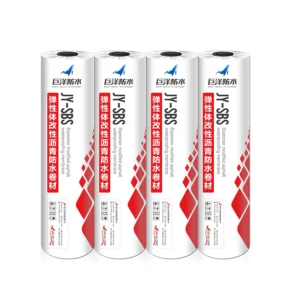
JY-SBS Membran Kalis Air Bitumen Ubahsuai Membran Kalis Air Asfalt Ubahsuai
-
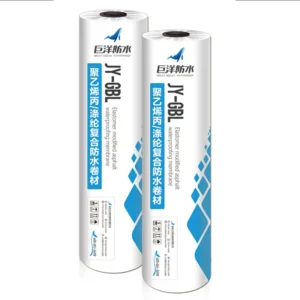
Membran Kalis Air Polimer JY-GBL PE PP Polietilena Polipropilena Membran Kalis Air